Mongolia's Western Frontier: From Isolation to Integration
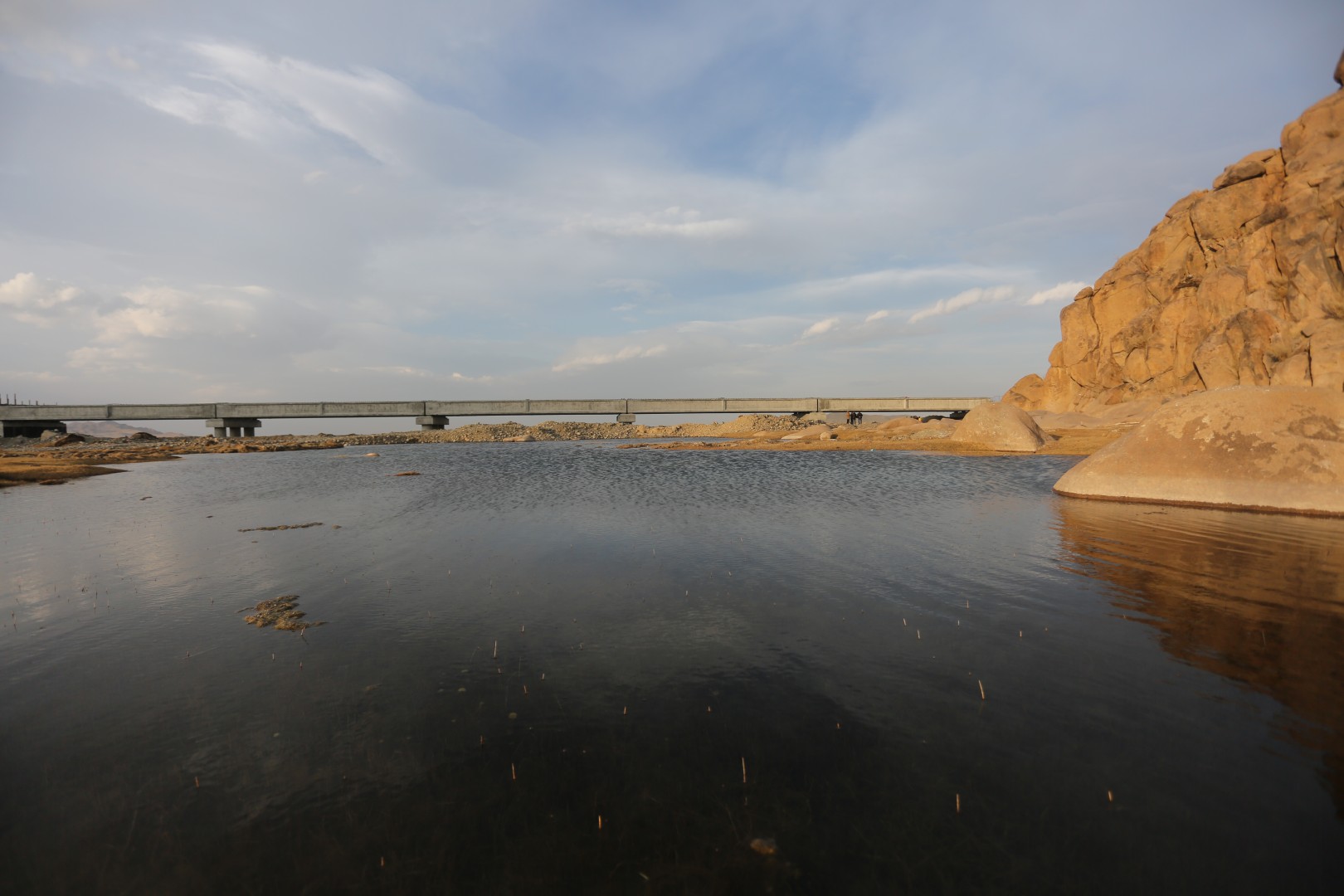
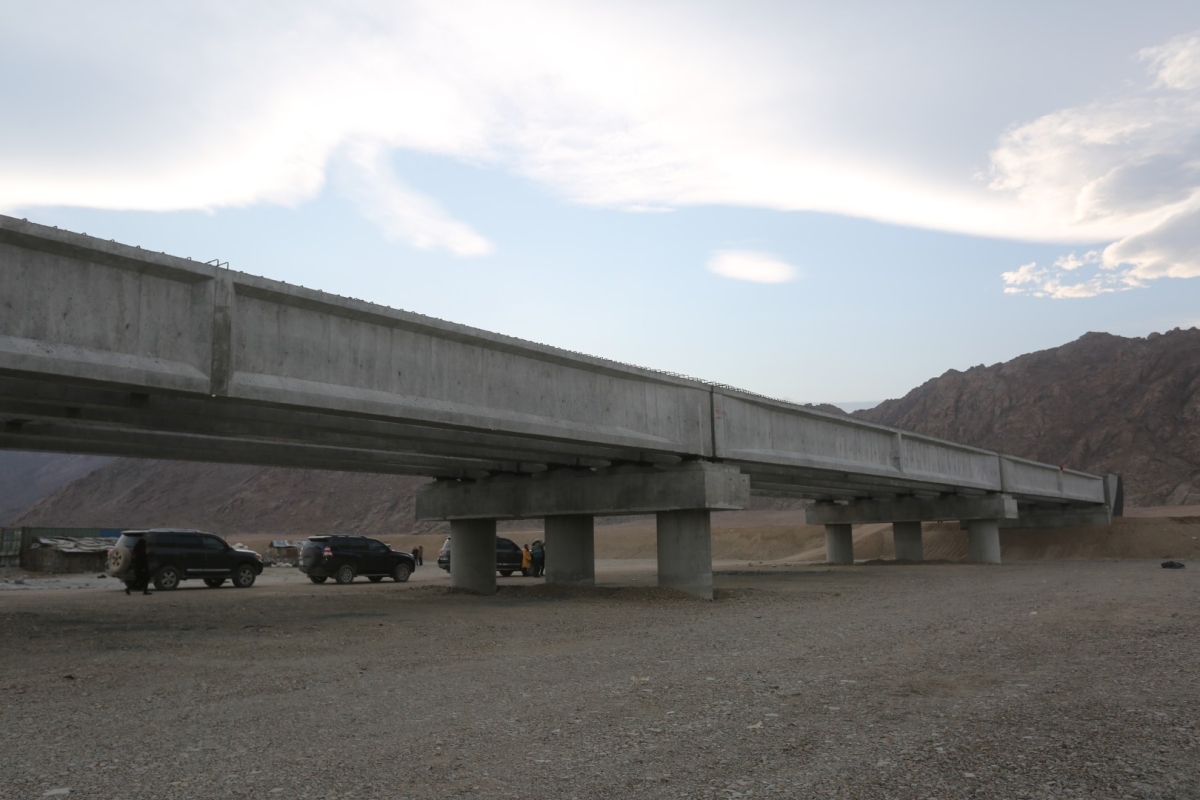
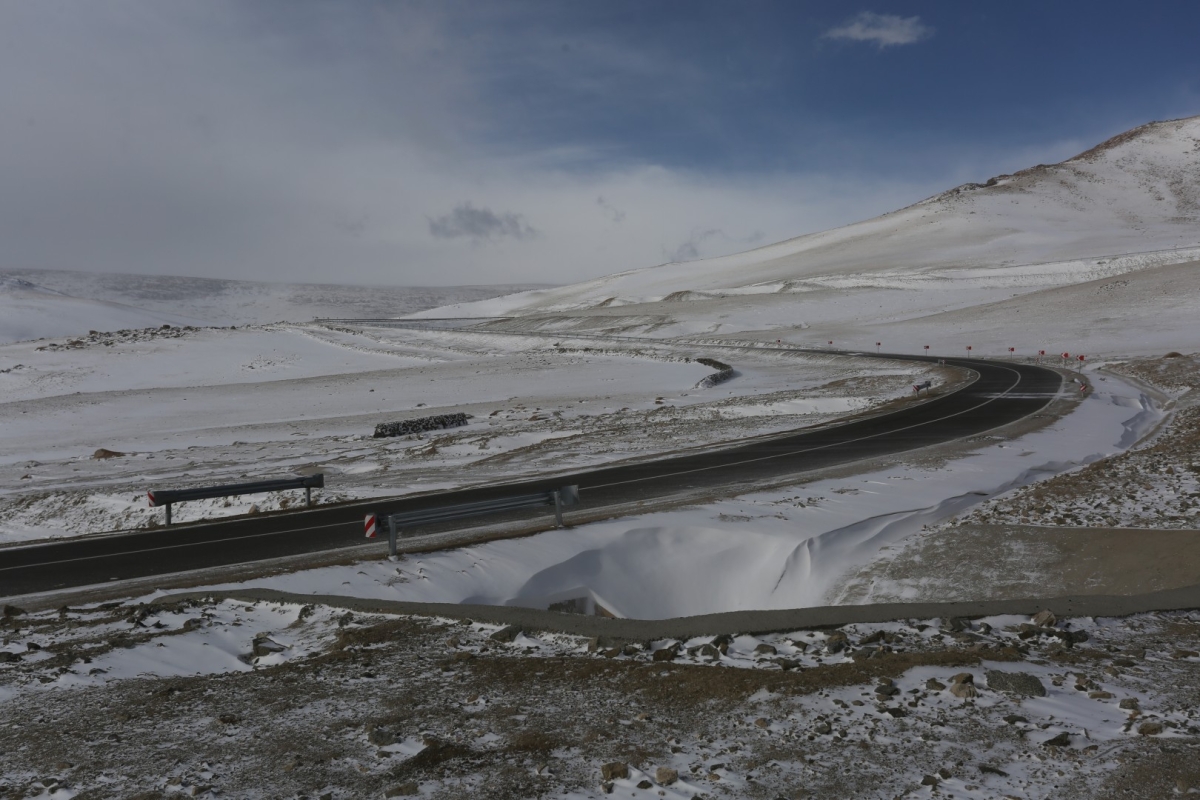
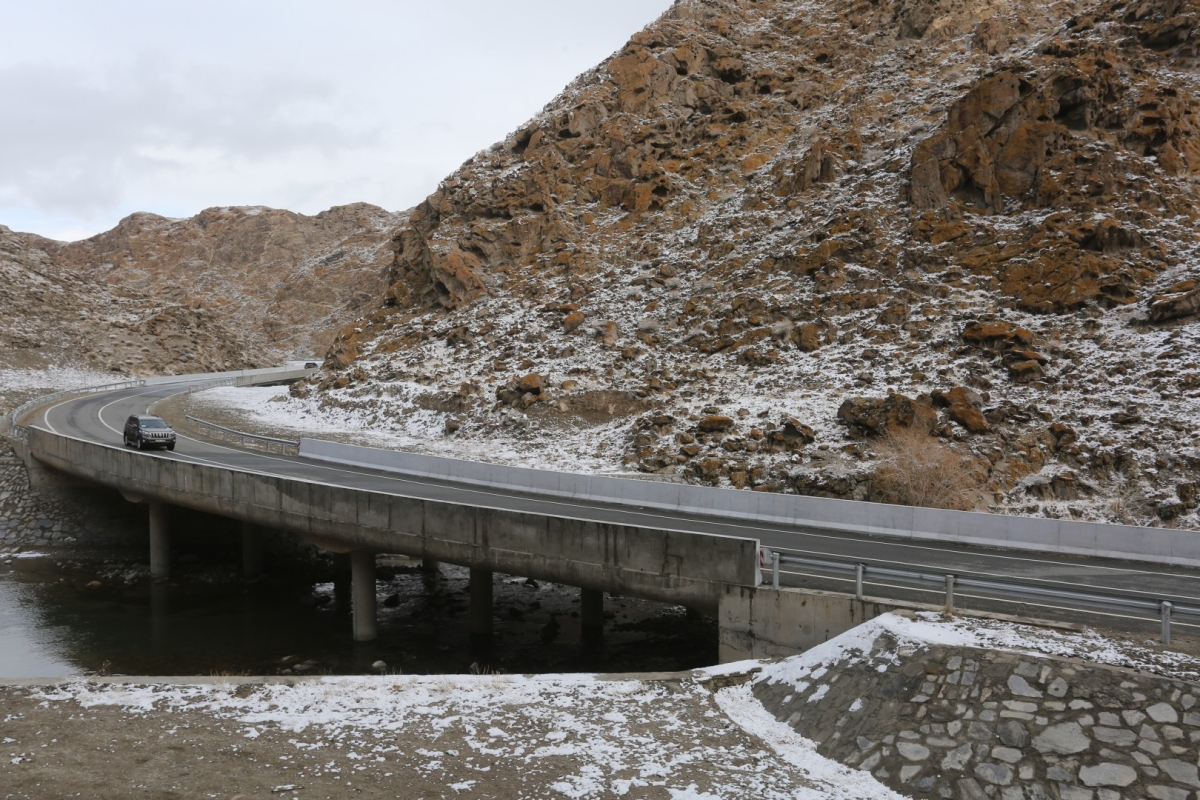
The Western Regional Road Corridor runs 743 kilometers from Ulaanbaishint, on the border with the Russian Federation, to Yarant, on the border with the People’s Republic of China. Part of Asian Highway 4 and CAREC Corridor 4a, it is set to become a key transit route between Central Asia and Siberia.
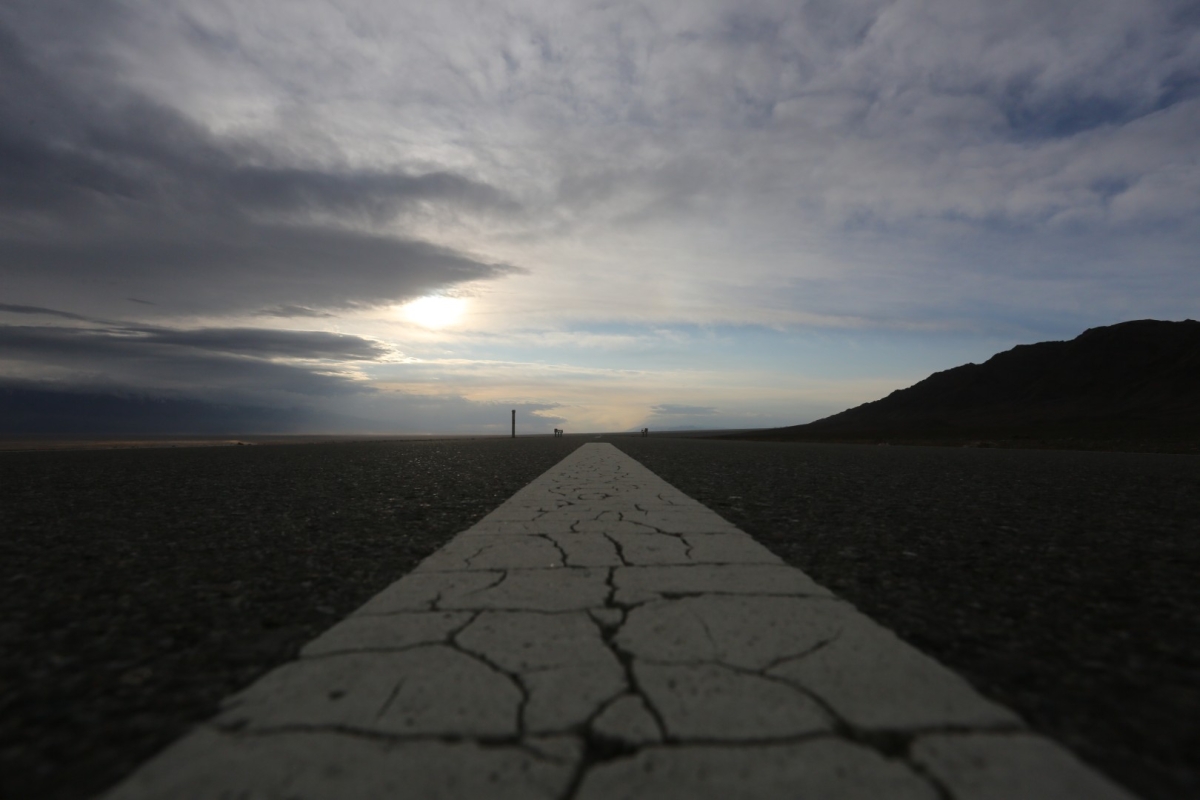
For years, poor road conditions and high transport costs cut off Western Mongolia’s communities from markets, health services, and economic opportunity. Local businesses and herder households bore the brunt.
The Asian Development Bank, through the CAREC Program, supported with the Western Regional Road Corridor Development Project and Investment Program. The flagship project — completed in 2016 with a $37.6 million ADB grant — built 110.8 kilometers of road, two maintenance centers, and a weigh station near Bulgan soum. A $170 million investment program followed, expanding road infrastructure, rehabilitating local access roads, and strengthening maintenance capacity.
The results were measurable. By 2019, average travel speed along the corridor had doubled — from 40 to 80 kilometers per hour. Travel time between Yarant and Khovd dropped by three hours. Logistics operators on the Takeshiken–Yarant–Khovd route saved 12 hours per journey. Traffic at the Yarant border crossing rose 64% between 2014 and 2018.
The first tranche cut the travel time between Bulgan and Khovd from 10 to 5 hours. Vehicle operating costs fell by 40%. Border traffic at both Tsagaannuur and Bulgan crossings climbed, with the Bulgan crossing surpassing its 2023 target ahead of schedule.
Better roads also meant more frequent access to clinics and social services — the share of herder households receiving services four to eight times a year jumped from 7% to 58%. By 2020, per capita income in Western Mongolia stood at 93% of the national average.