Bridging the Mountains: Tajikistan’s CAREC Corridors
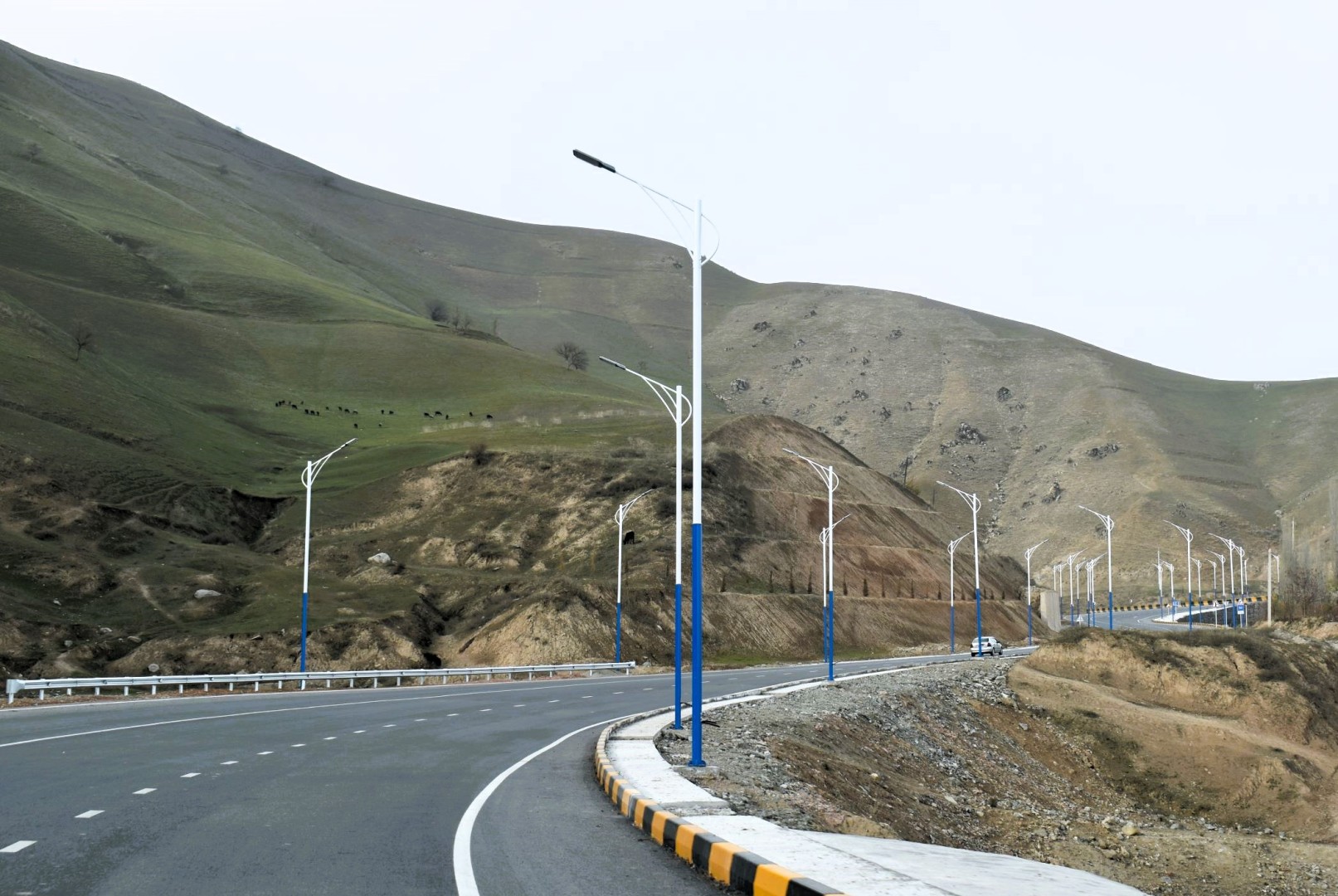
Mountains define Tajikistan. They shape its landscapes and watersheds while giving it exceptional charm. Yet, these same mountains have long isolated communities, creating natural hurdles for travel and trade.
In 1998, Tajikistan joined the CAREC Program, becoming part of a regional partnership dedicated to improving connectivity and opening new avenues for cooperation. Over time, four different CAREC corridors have been built across the country. These routes have eased the movement of people and goods both within Tajikistan and across its borders to the world.
One vital step in this journey was the enhancement of CAREC Corridors 3 and 5 in the Khatlon region. From 2013 to 2019, workers rehabilitated roads, improved rural access routes, and linked remote communities more closely to markets and services. The number of vehicles along the upgraded roads grew far beyond initial expectations, reflecting greater mobility and stronger local commerce.
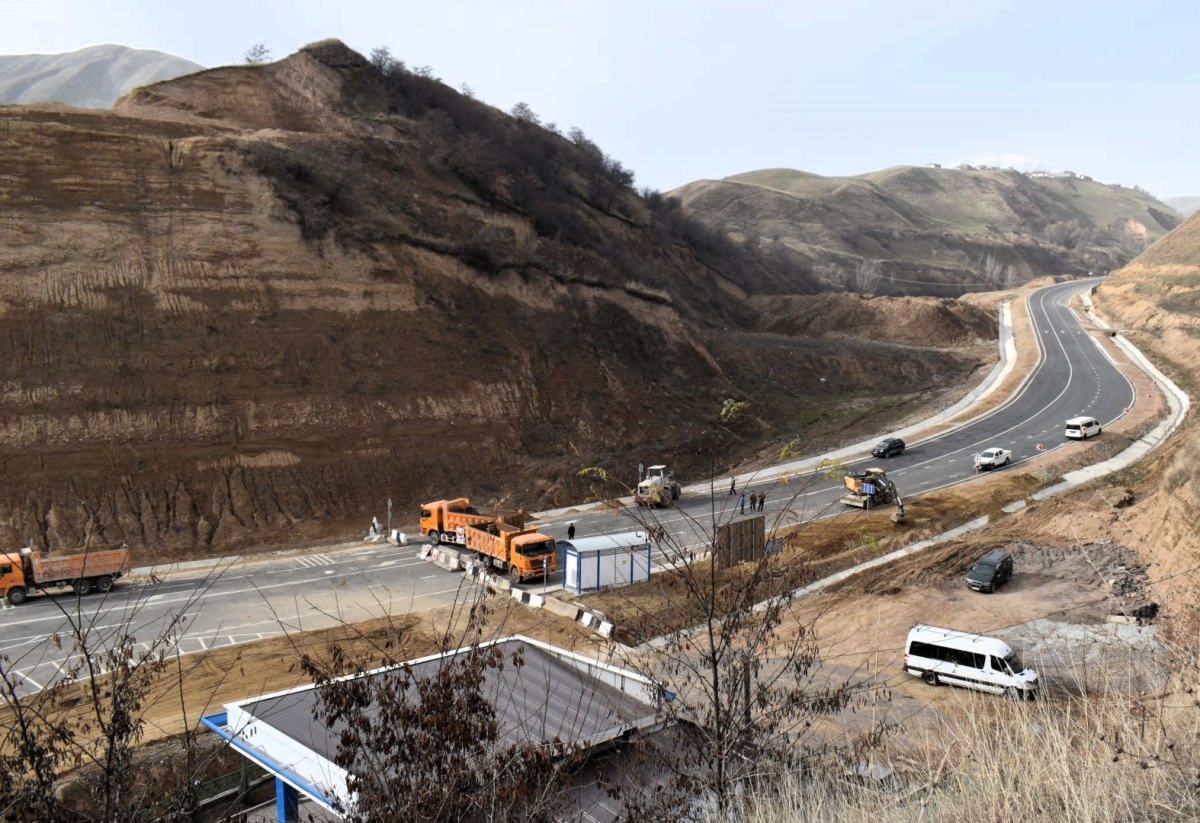
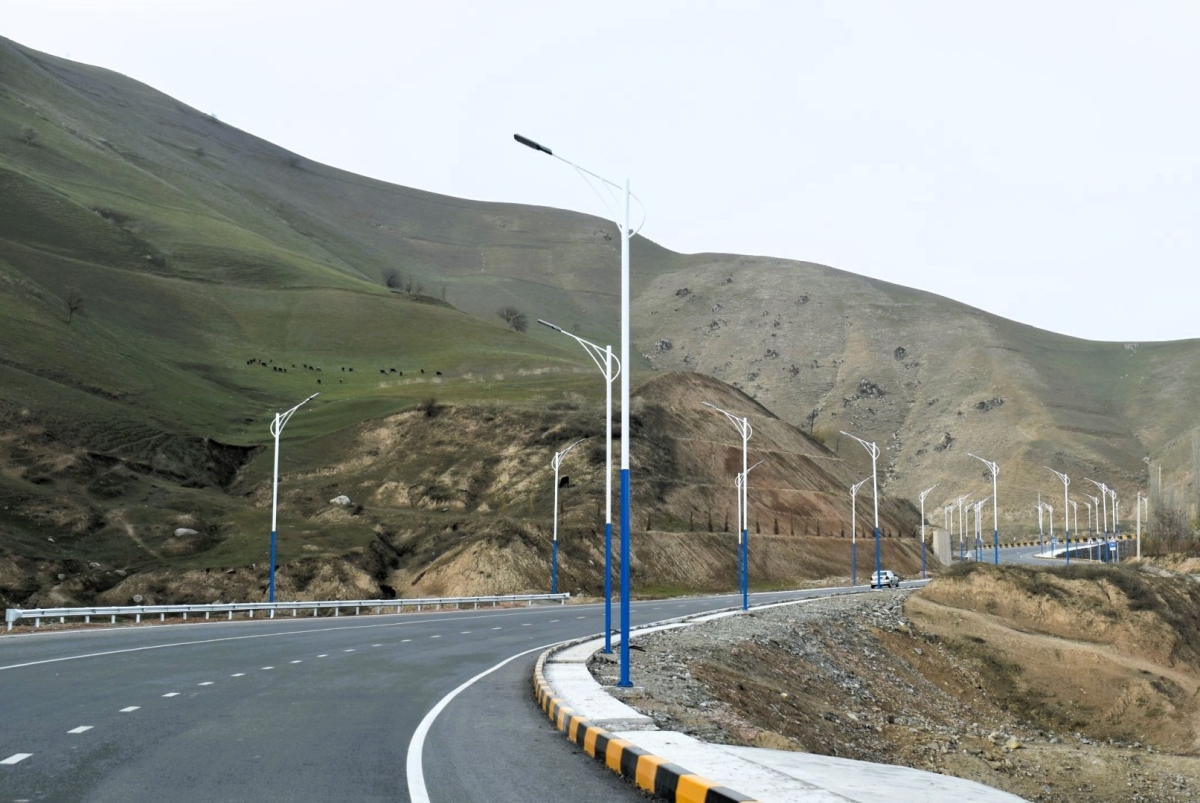
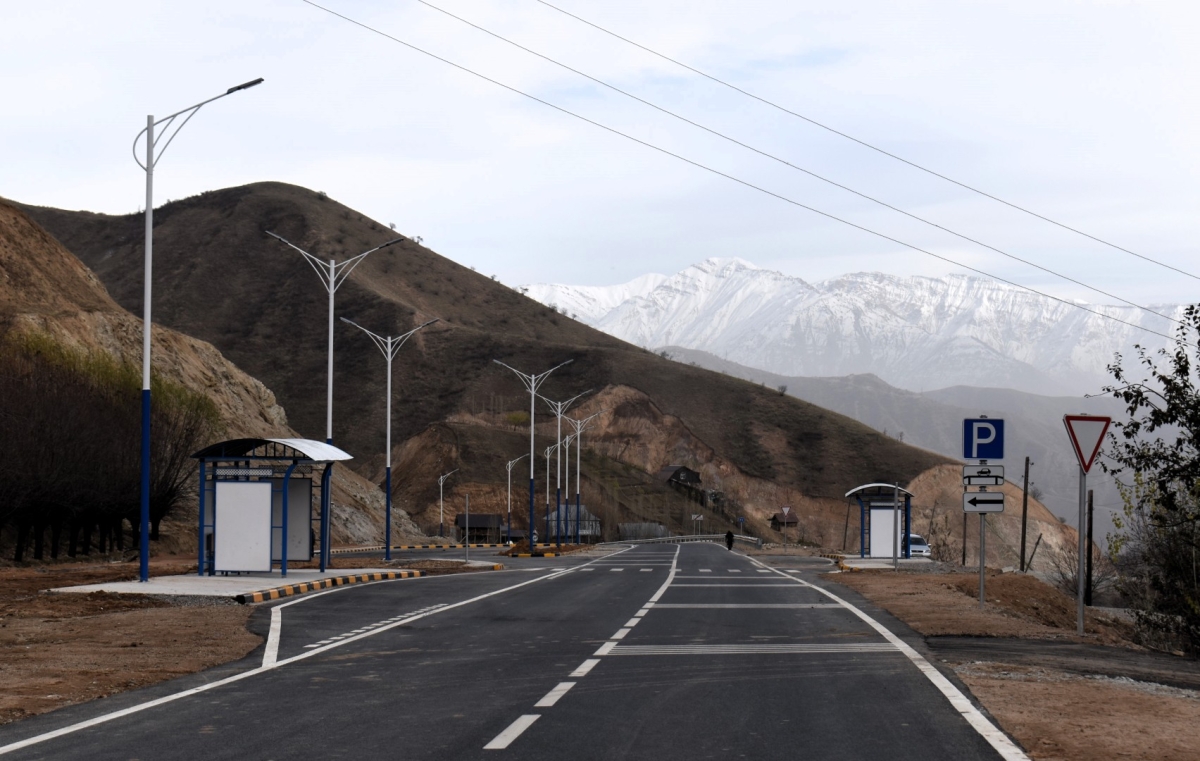
Today, the country has entered a new stage of progress with the CAREC Corridors 2, 3, and 5 (Obigarm–Nurobod) Road Project. Under this project, a 72-kilometer road to replace a section of the M41 highway that will be submerged by the reservoir at the Rogun hydropower station. Without this link, drivers would face a detour of almost 500 kilometers.
The project features a series of tunnels and bridges engineered to cut through the rugged terrain. The route secures uninterrupted transit between Dushanbe and the northeastern part of the country, while serving as a vital link in the regional transport network.
The impact of these upgrades on everyday life is straightforward but profound. The new routes reduce travel risks, open access to markets and services, and bring communities closer together. In a country where steep peaks once divided people, the vision of better roads is now a reality, bridging the gap between communities and opportunities.
Related:
- Tajikistan: Central Asia Regional Economic Cooperation Corridors 2, 3, and 5 (Obigarm-Nurobod) Road Project (ADB)
- Obigarm-Nurobod Road Project (EBRD)
- Tajikistan: Obigarm-Nurobod Road Project – Long Bridge and Approaches (AIIB)
- Central Asia Regional Economic Cooperation Corridors 2, 3, and 5 (Obigarm–Nurobod) Road Project (OPEC Fund)