Georgia: From Bottleneck to Bridge of Opportunity
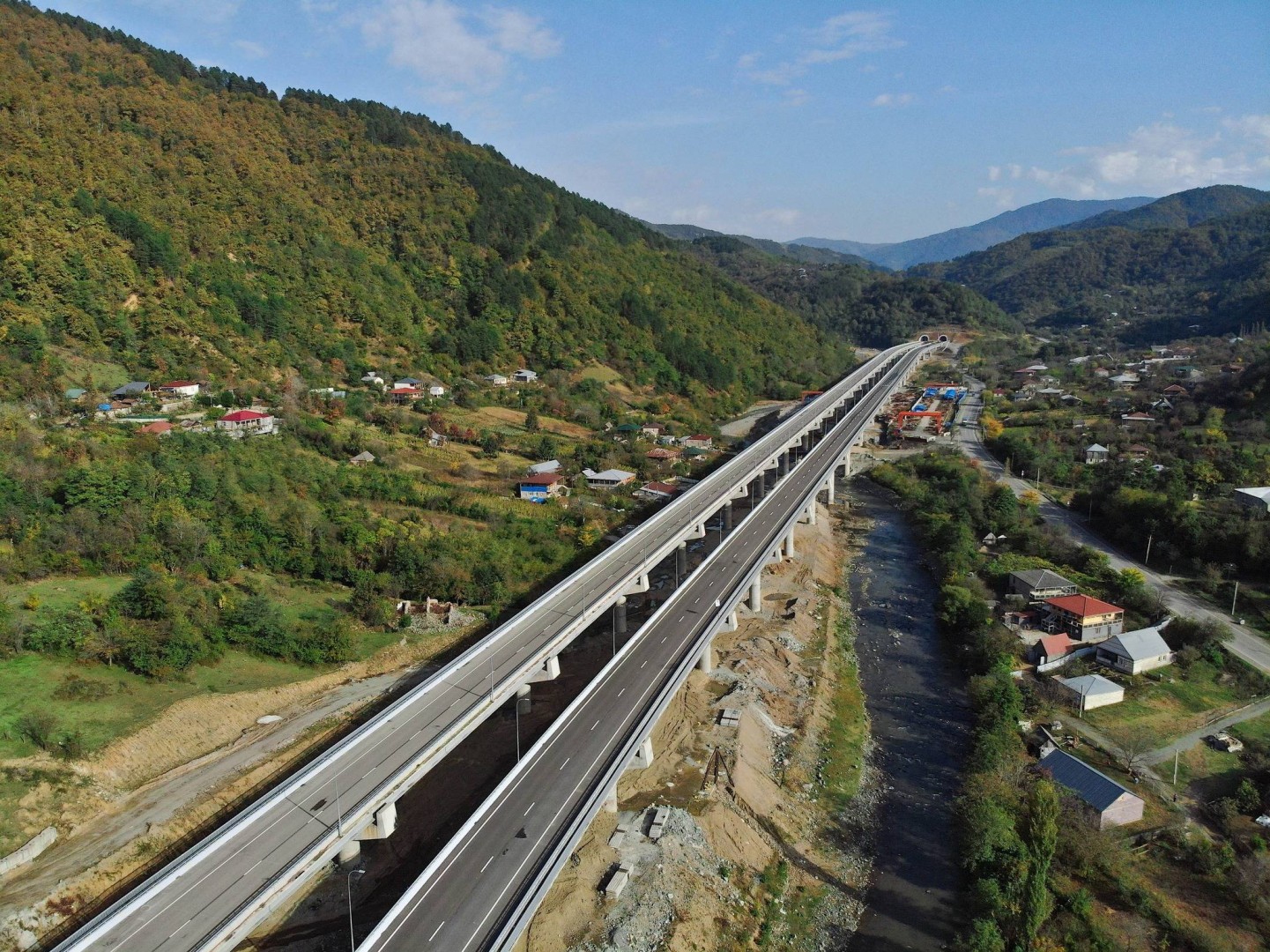
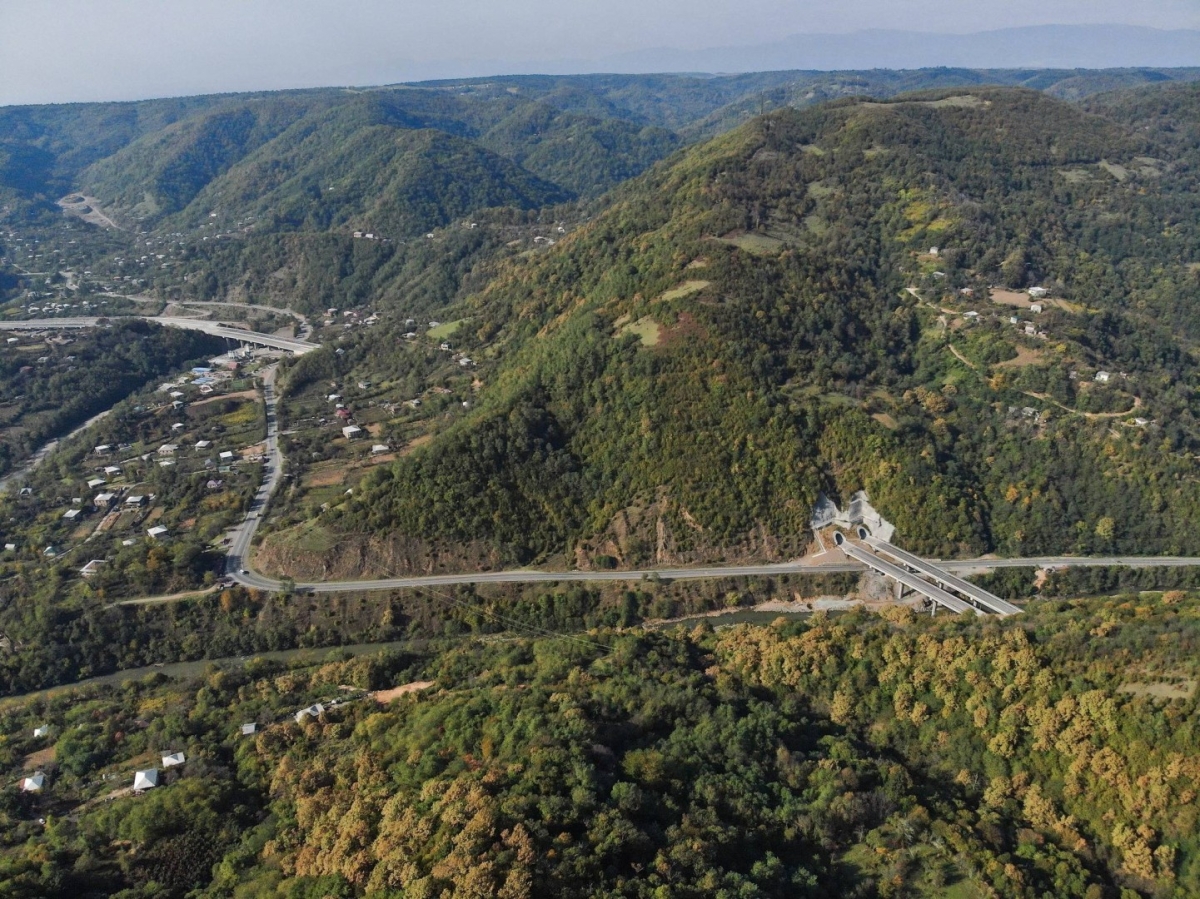
The majestic mountains that characterize Georgia’s scenery present travelers with both a stunning view and a daunting challenge. Some sections of the country’s main East-West Highway, where vehicle movement was slow, were blocked by nature for a long time, creating bottlenecks on one of the region’s most vital trade routes.
This highway is a key part of the CAREC Corridor 2, which largely coincides with the Middle Corridor, linking Central Asia with Europe and handling nearly all of Georgia’s foreign trade. For companies, transportation operators, and landlocked neighboring countries, any delay along the route adds extra time and cost to the voyage.
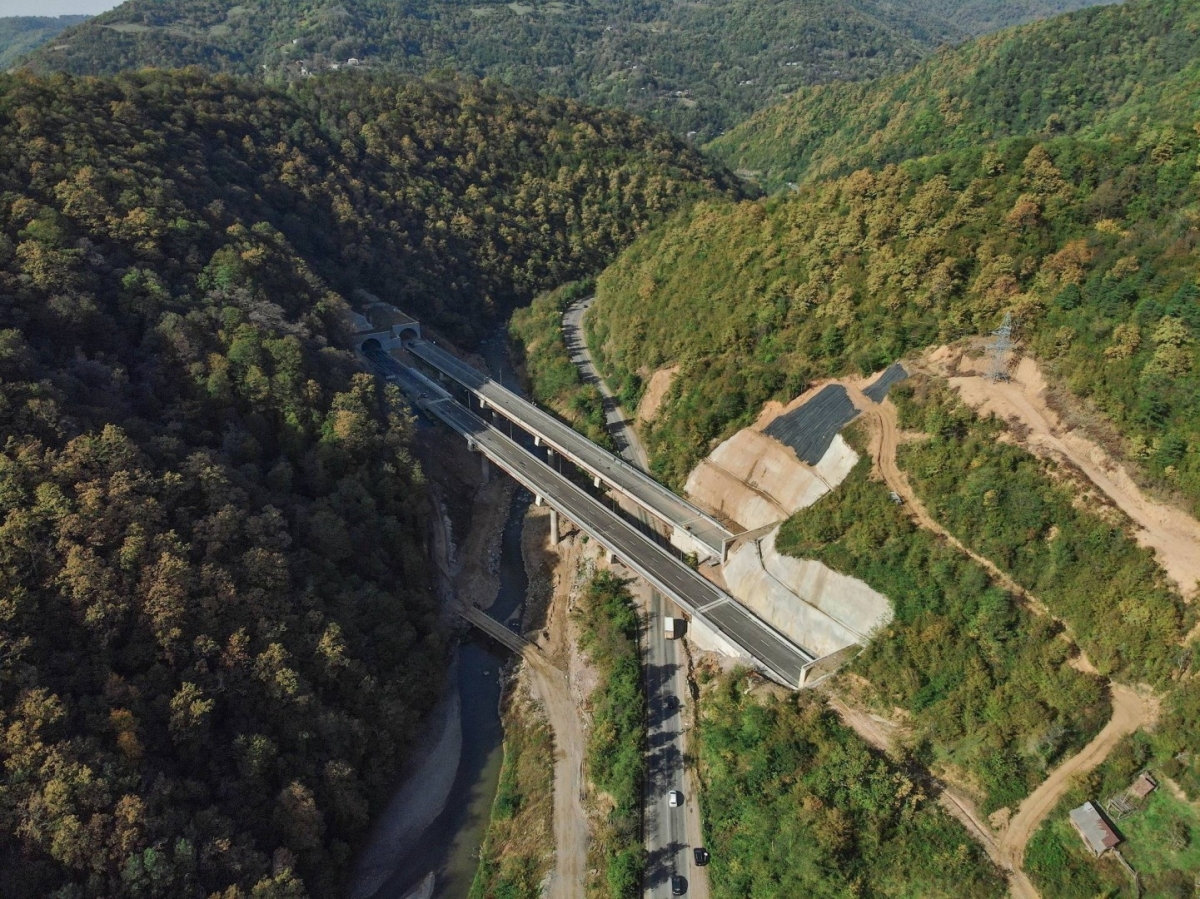
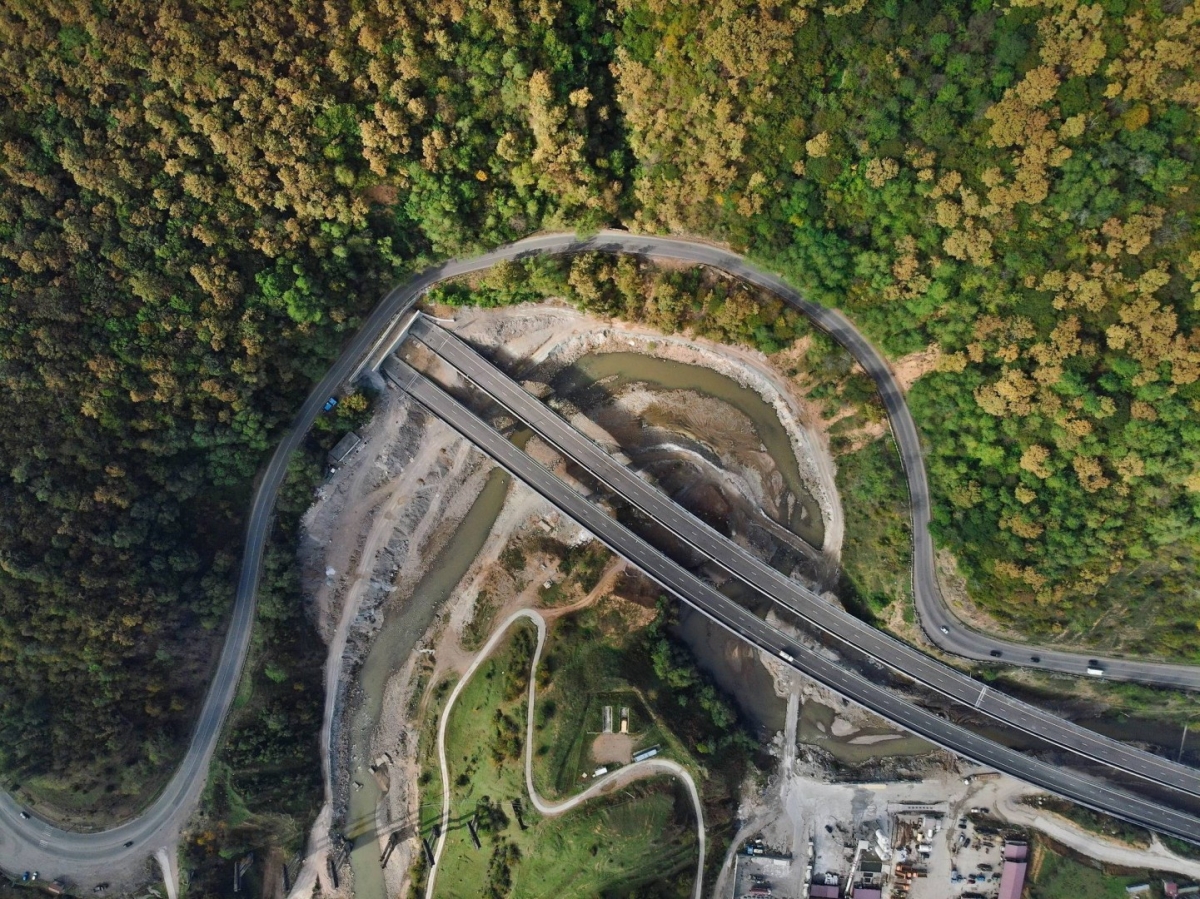
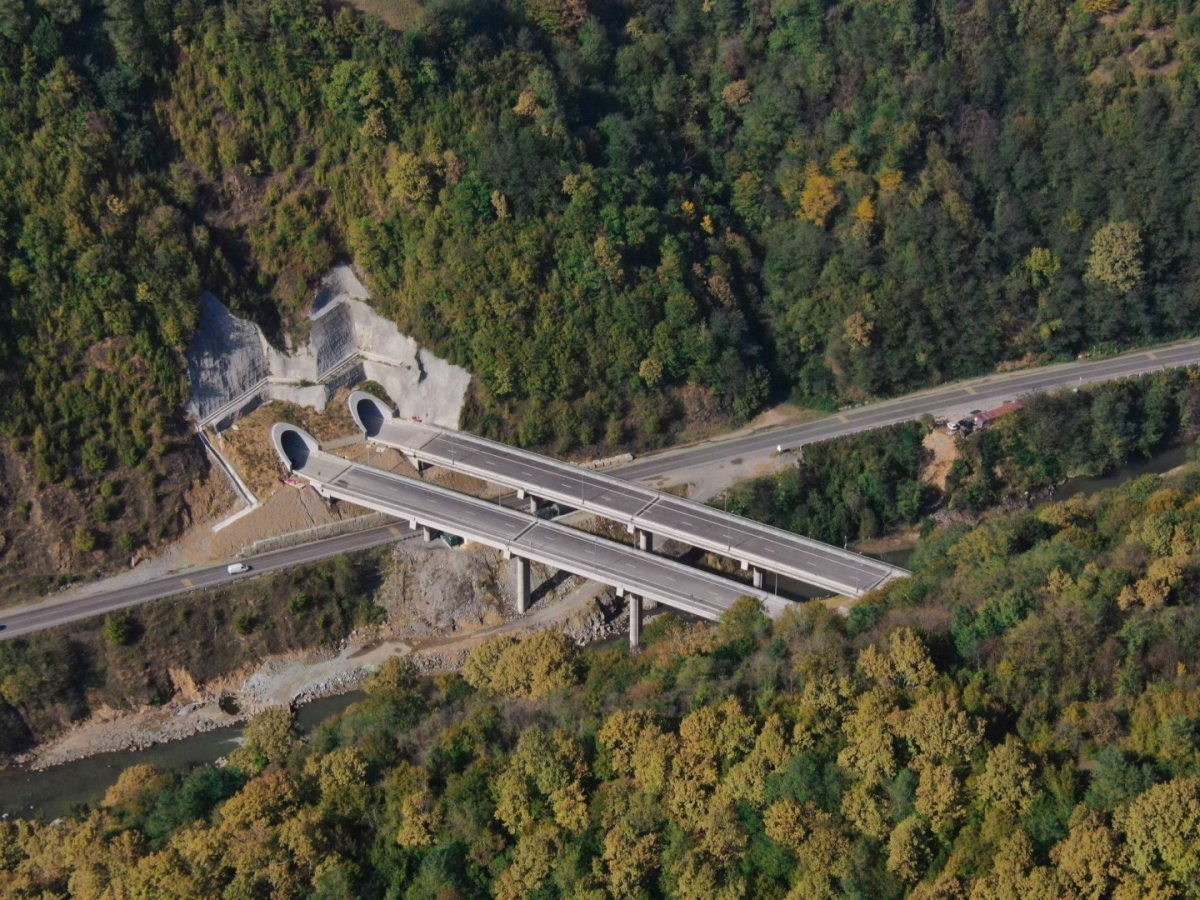
The first step in tackling these issues was made by Georgia, with assistance from the Asian Development Bank through the CAREC program. ADB financed four sections of the East-West Highway, including the Khevi – Ubisa and Shorapani – Argveta sections, with a total of $548 million in ADB loans. The Khevi – Ubisa section, funded by a $270 million ADB loan, included a 12 km four-lane international road, 35 bridges, and 20 tunnels. This new road is expected to provide safer, more efficient passage through the country’s mountainous interior.
New sections of the four-lane highway now provide a smoother journey for thousands of drivers and freight operators traveling across Georgia and beyond. The project is expected to reduce average travel time from Chumateleti to Argveta from 71 to 45 minutes, while the road crash rate is targeted to drop by 30%.
The benefits of the project are clearly visible. Shorter travel times will make it easier for people and goods to move across the country. Better road safety measures and improved road management are expected to make roads safer and reduce accidents. The project deployed 38 portable scales for overload control and will build one weigh-in-motion site with weighbridges to protect road infrastructure. The annual average number of fatalities is projected to fall to 9 or fewer, compared with the baseline of 12.4, while a road safety awareness campaign is expected to reach 70% of the targeted population.
Climate-resilient design features were incorporated into the project, helping the highway remain reliable for years to come.
Georgia began strengthening its role as a regional connector between Europe and Asia after joining the CAREC in 2016. The modernization of the East-West Highway expresses this vision: it is not only a transport project but also an investment in connectivity, trade, and economic growth.
What was once a difficult route through the mountains is now helping connect countries and communities across the region.