Strengthening CAREC Connectivity: Upgrading Border Services in Central Asia
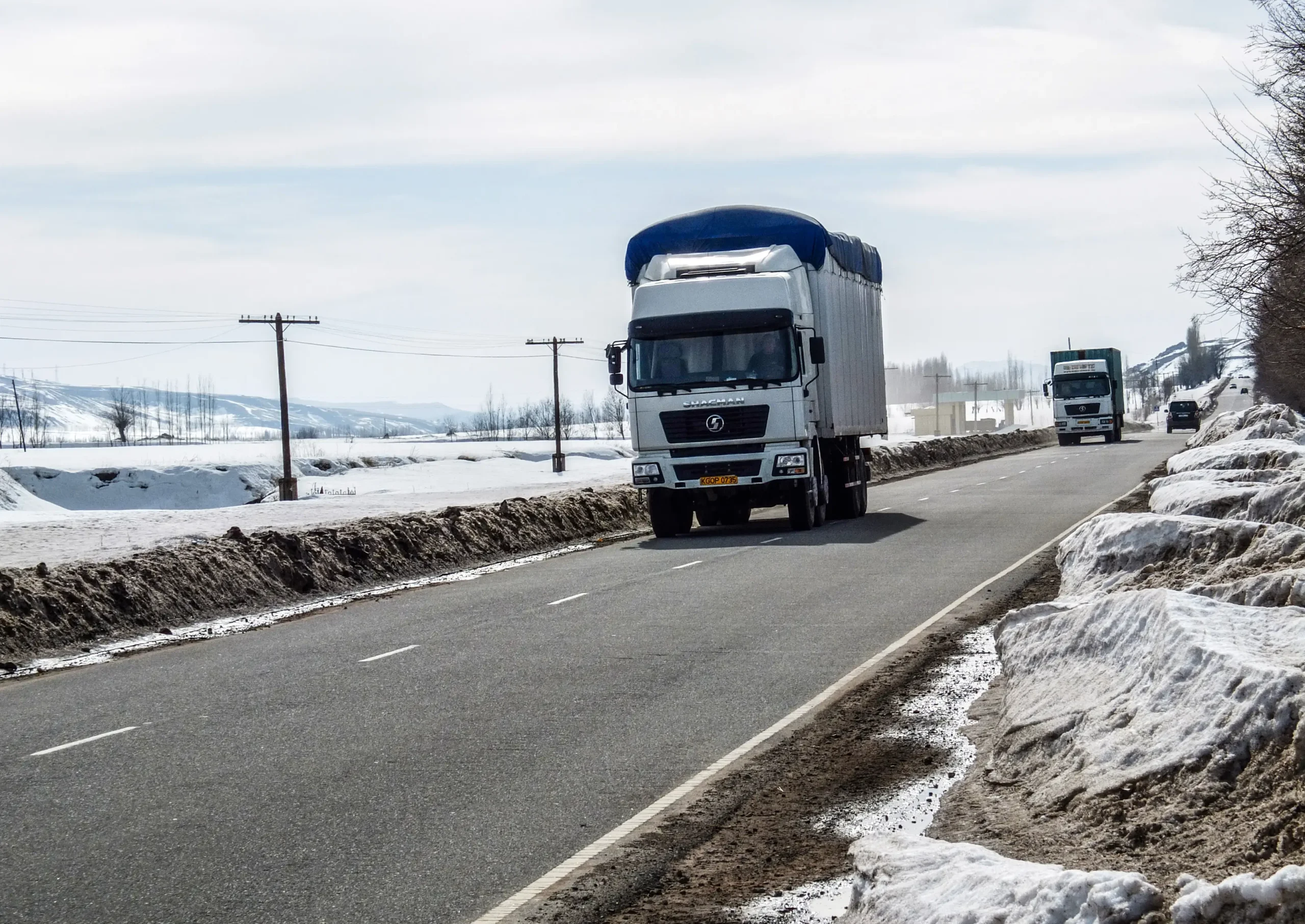
For many years, crossing borders in parts of Central Asia meant long lines, red tape, and uncertainty. At some major border-crossing points, old facilities and manual processes delayed people and goods, driving up costs.
Under the CAREC Regional Improvement of Border Services Project, the Kyrgyz Republic and Tajikistan upgraded border-crossing points and introduced modern systems. New equipment, better layouts, and digital solutions replaced the outdated setups that hindered trade for years. The project rolled out national single window systems, allowing traders to submit documents electronically to cut paperwork and processing time.
How have things changed on the ground?
Waiting times and crossing costs at the project border-crossing points were reduced, making the transport of goods and people more efficient. At Karamyk, crossing time fell to 2.2 hours outbound and 2.1 hours inbound, compared with 11.8 hours in 2012. The cost of crossing fell to $42 outbound and $25 inbound, compared with $147 in 2012. At Guliston, crossing costs fell to $43 outbound and $33 inbound, compared with $171 in 2012. Overall, the project achieved its target of reducing the time and cost of crossing the project BCPs by over 30%.
The impact goes beyond border posts. Faster crossings mean better connections between communities, stronger trade flows, and greater room for business growth. What was once a major trade bottleneck is becoming a more efficient gateway. Through teamwork and modern systems, CAREC is turning barriers into bridges.