Azerbaijan: Connecting Regions, Expanding Opportunities
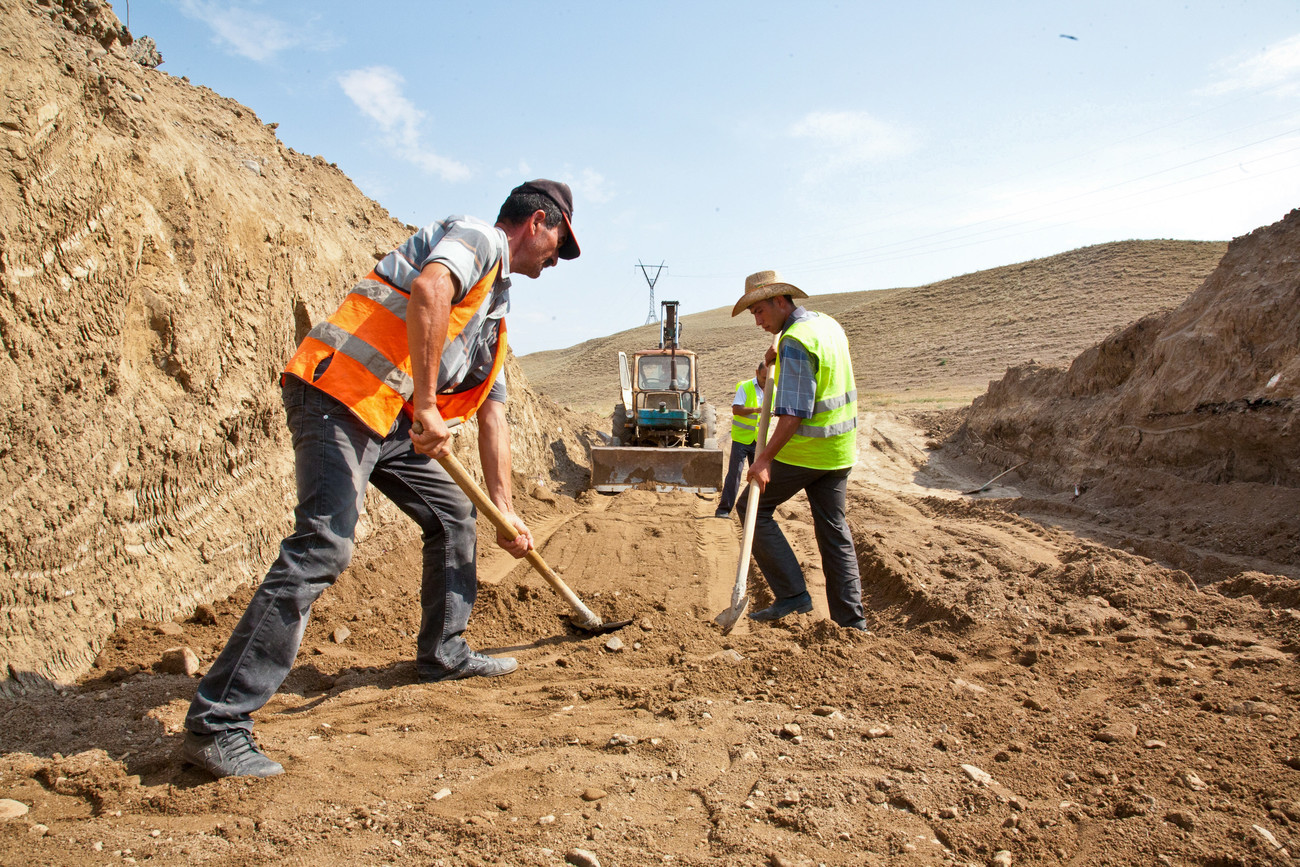
Running from the coasts of the Caspian Sea to the Black Sea, the East-West Highway is one of Azerbaijan’s longest and most vital transport routes. As part of CAREC Corridor 2, it links Asia and Europe and facilitates trade, motor vehicle transport, and tourism across borders.
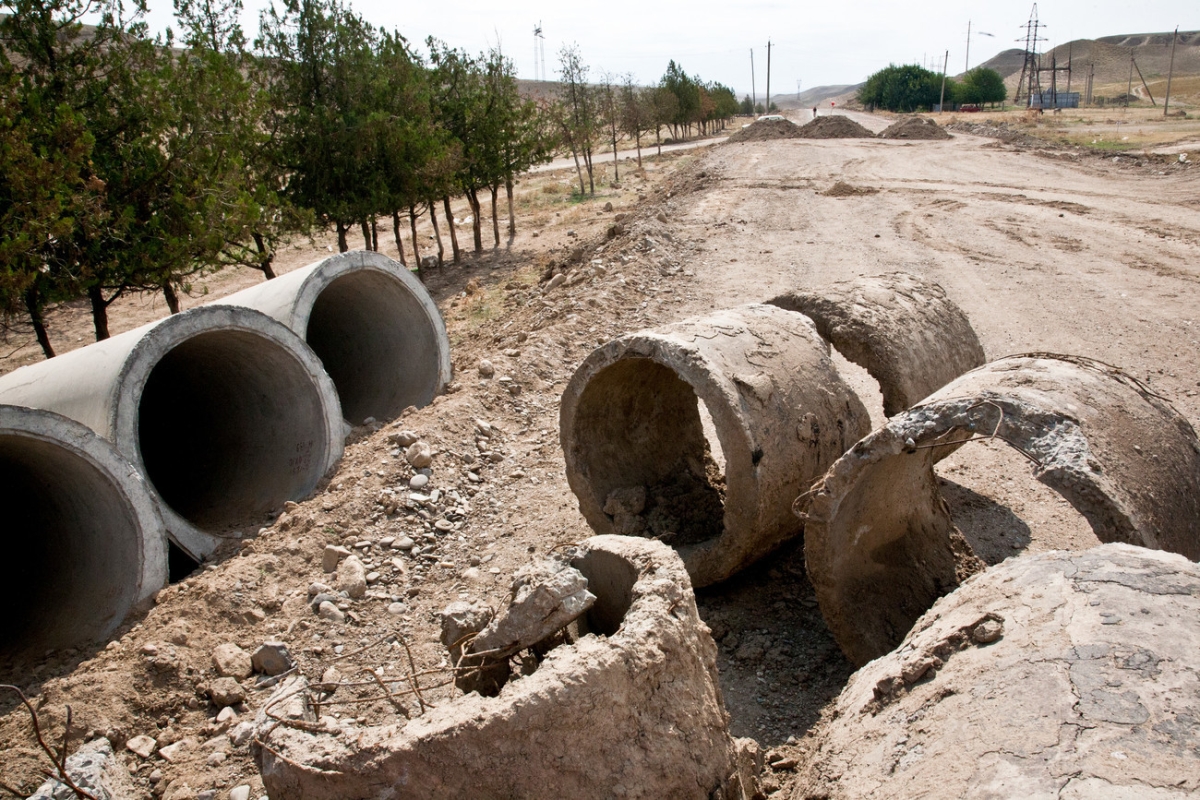
By the mid-2000s, some parts of the highway and its connecting roads had already turned into a bottleneck for trade and transportation: increased travel time, aging infrastructure, and slow border procedures were all slowing down the movement of people and goods on a route that is not only vital to Azerbaijan but also to the entire region.
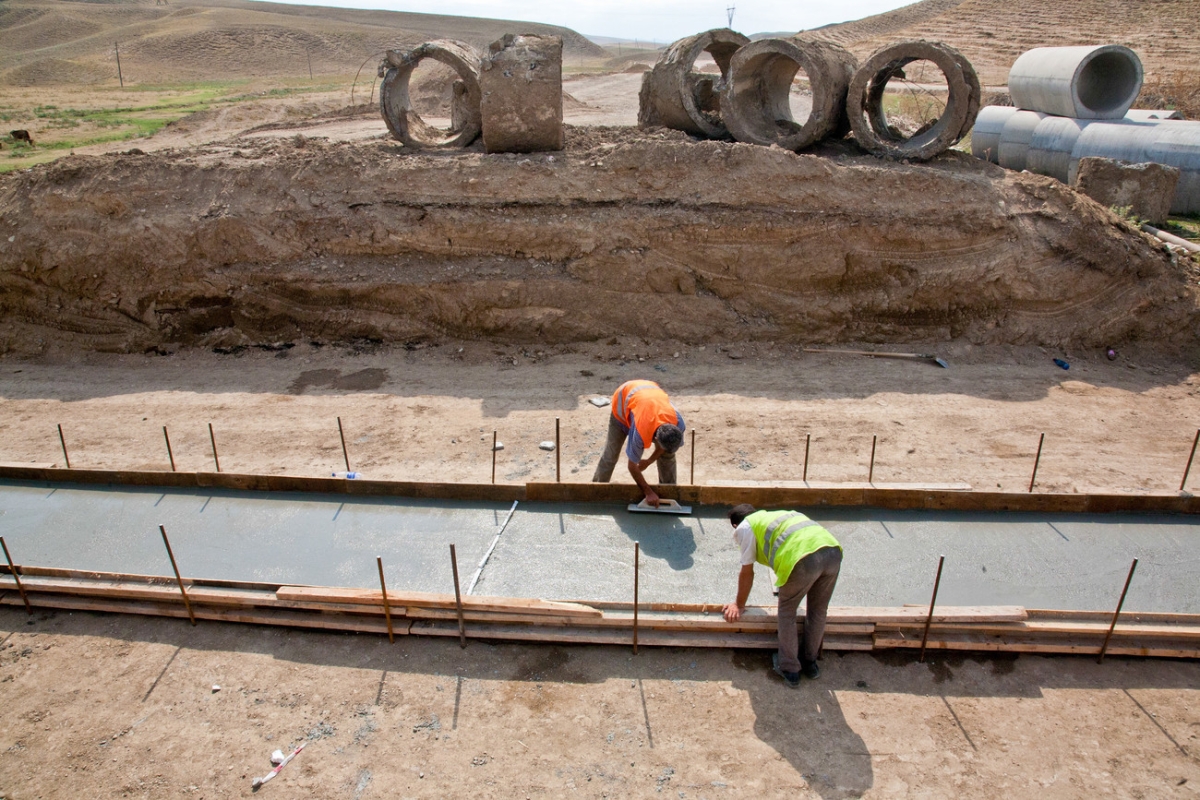
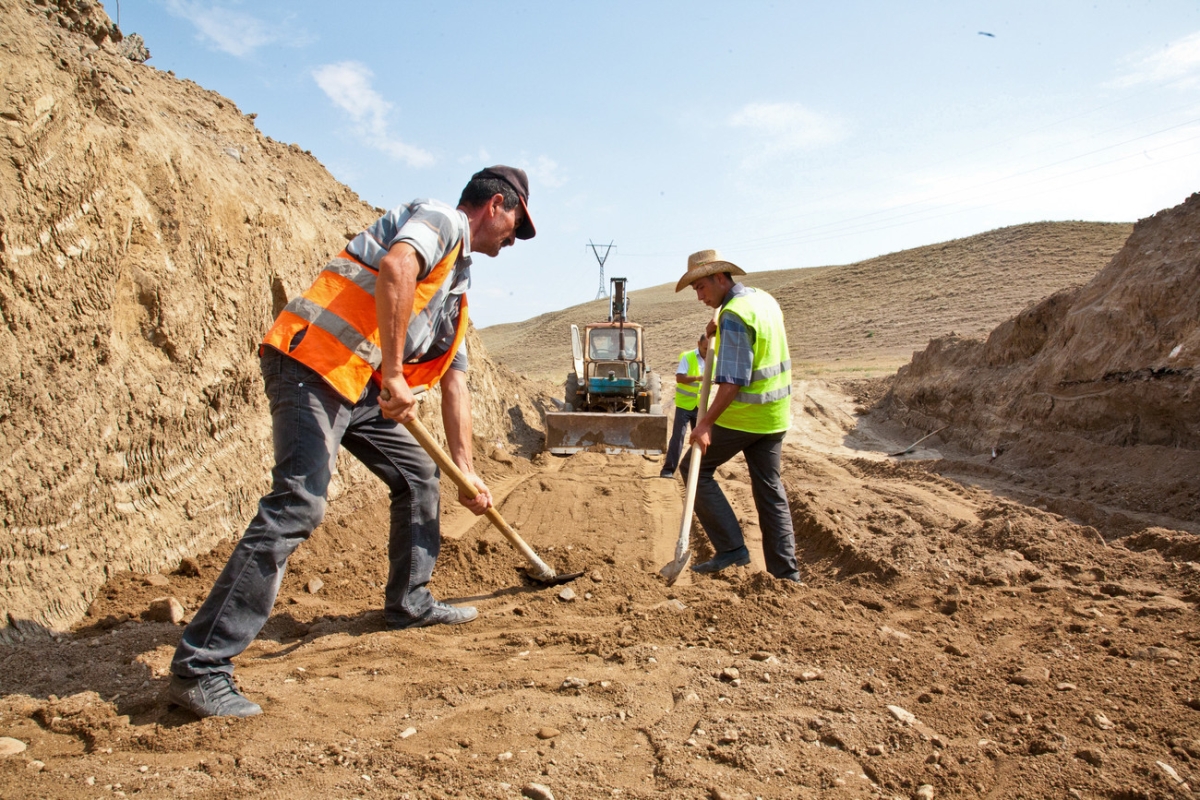
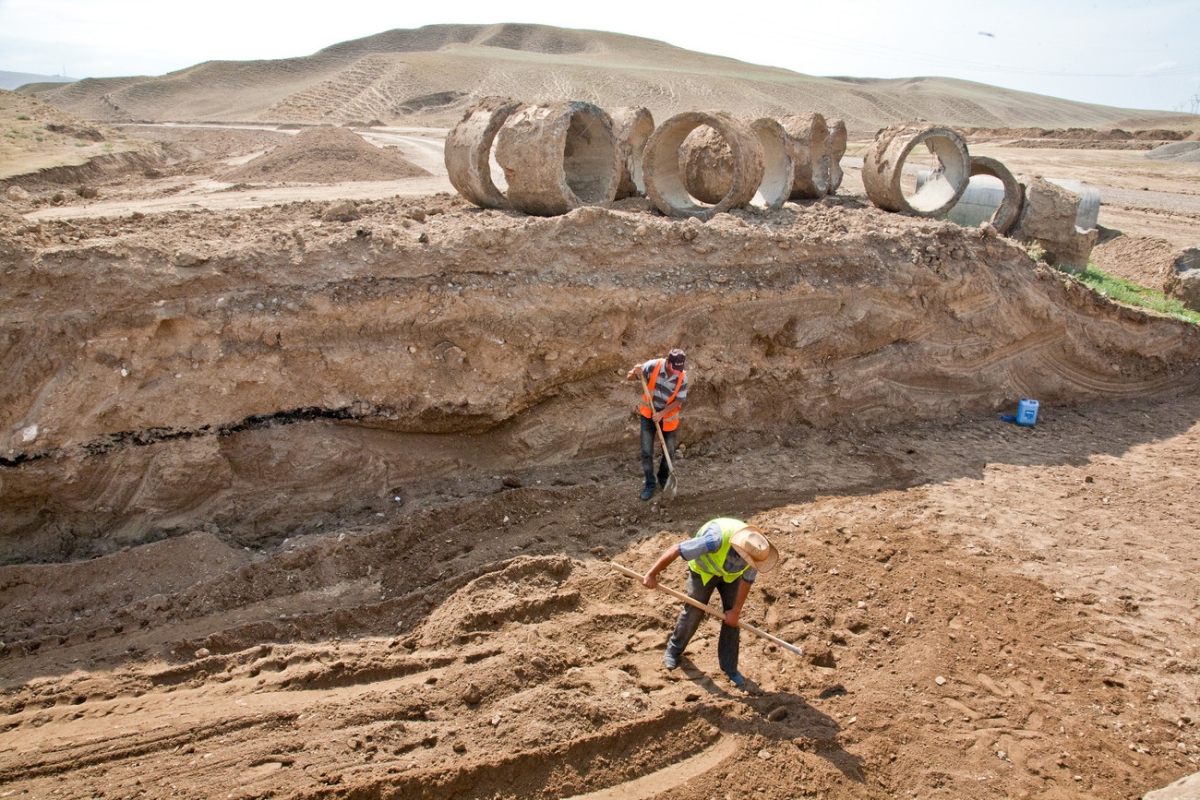
To address these challenges, the Asian Development Bank, through the CAREC Program, supported the East–West Highway Improvement Project. A $52 million project completed in 2010 rebuilt several key parts of the highway, such as the Yevlakh-Ganja and Gazakh-Georgia border stretches, improved local roads linking localities to the highway, enhanced road sector institutions, and renovated the Red Bridge border crossing with Georgia.
The project helped transform a vital transport corridor into a stronger engine of trade and development.
Improved border-crossing facilities and upgraded road infrastructure made travel faster, safer, and more efficient. The number of vehicles on the project roads increased by an average of 10.8% per year from 2006 to 2010, reflecting higher economic activity and improved connectivity. At the same time, Azerbaijan’s foreign trade grew by an average of 30% per year, facilitated by more efficient transport along one of the country’s most strategic trade routes.
The benefits of the project were far beyond the transport corridor.
In six districts of western Azerbaijan, improved connectivity opened access to jobs, markets, education, and essential services. It was not only farmers and businesses that were linked to various markets at home and abroad, but also communities that were connected to different economic centers. GDP growth in the six districts after the project’s completion was 13.1%, exceeding the national average. Fifty-six manufacturing and service enterprises were established, creating new opportunities for locals.
For travelers, the changes were tangible. It took 20% less time to travel from Kemerli to Gazakh, and the Asan-Gazakh route was shortened by almost one third. Besides that, better access helped increase employment, as the average number of employed people in Gazakh rose by 8.1% during the project’s implementation, while the average wage in the city soared by 185%.
Since joining CAREC in 2003, Azerbaijan has worked with regional partners to strengthen connectivity across Eurasia. The East–West Highway Improvement Project demonstrates how modern transport infrastructure can do more than move vehicles. It can connect people to opportunities, support local businesses, stimulate regional development, and reinforce Azerbaijan’s role as a bridge between Asia and Europe.