Reconnecting Tajikistan to Central Asia’s Power Network
For years, Tajikistan’s electricity system operated separately from the Central Asian Power System (CAPS). The country was disconnected from the regional grid in 2009 following a major grid failure, with outdated relay protection systems contributing to the incident. The disconnection affected not only Tajikistan, but also the wider regional system, which lost access to Tajikistan’s balancing capacity.
The situation began to change in 2017, when Tajikistan and Uzbekistan started working together to reconnect their electricity systems. In April 2018, Tajikistan resumed electricity exports to Uzbekistan, initially operating in an islanded mode. However, moving from limited bilateral exchanges to full parallel operation required modernizing Tajikistan’s transmission and protection infrastructure and establishing new interconnections.
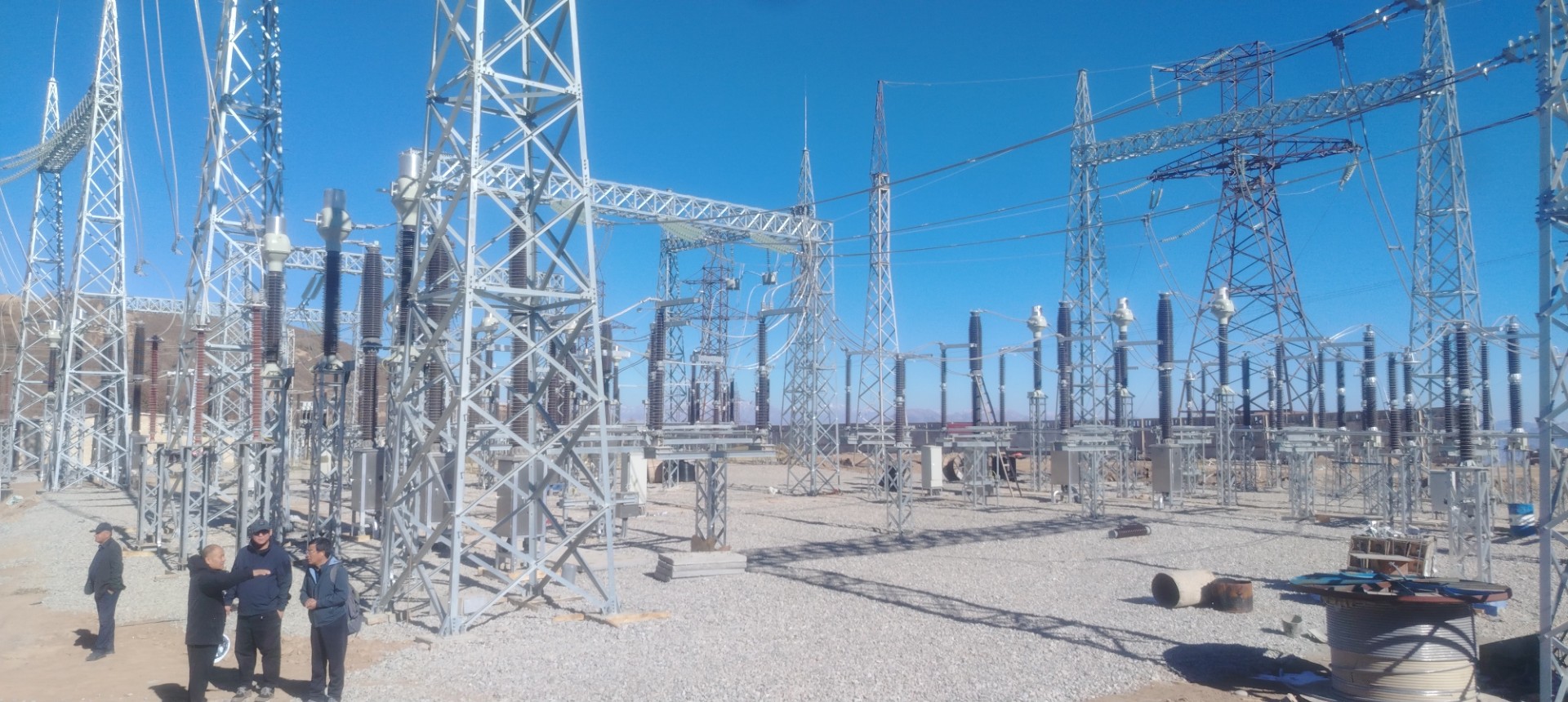
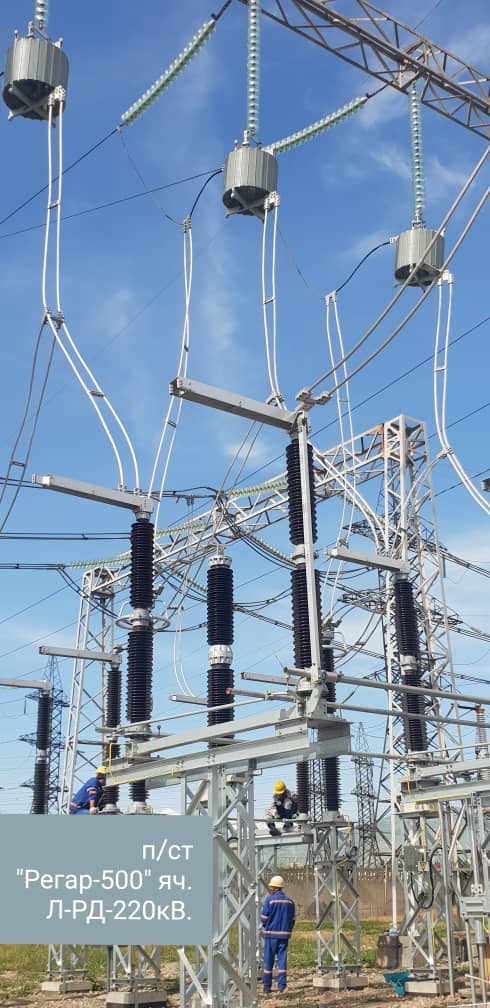
With a $35 million Asian Development Bank (ADB) grant through the Central Asia Regional Economic Cooperation (CAREC) Program, Tajikistan began upgrading its power infrastructure to make reconnection to CAPS possible. The project introduced modern relay protection and emergency control systems, upgraded existing 220 kV and 500 kV interconnection points, and will establish new 500 kV connections with Uzbekistan. It also strengthened the capacity of Barki Tojik staff to operate the system safely in parallel with the regional grid.
The change goes beyond the physical connection of two power systems. A stronger interconnection allows electricity to move across borders according to seasonal supply and demand. Tajikistan, where over 90% of installed generation capacity is based on hydropower, can make better use of its summer electricity surplus, while regional trade can help balance electricity needs during periods of higher demand.
The work has since been expanded. In 2024, ADB approved an additional $15 million grant to increase transmission capacity and strengthen the Tajikistan – Uzbekistan connection. The additional financing supports a new 22-kilometer, 500 kV transmission line between the Sughd substation in Tajikistan and the New Syrdarya substation in Uzbekistan, as well as new line bays and related substation works.
The project’s impact is regional as much as national. Reconnecting Tajikistan strengthens the ability of Central Asian countries to share electricity resources, improves the resilience of the regional power system and creates better conditions for cross-border electricity trade. It also prepares the system to provide regulating capacity as more renewable energy is integrated into the regional grid.
What began as an effort to restore a connection lost more than a decade ago is helping reshape the region’s energy landscape. By reconnecting Tajikistan to the Central Asian power system, the project is opening new opportunities for electricity trade, stronger grid reliability and better use of the region’s diverse energy resources. It shows what regional cooperation can achieve when infrastructure connects not only power systems, but countries and their resources around shared opportunities.