Uzbekistan: Powering a Nation, Connecting a Region
Reliable energy is the basis of economic growth, industrial development, and regional connectivity. Yet for many years, Uzbekistan faced growing pressure on its power sector. High level of energy consumption per unit of output has not only led to higher generation costs and increased emissions but also, the rise in demand has highlighted the necessity of more efficient and reliable electricity infrastructure in the republic.
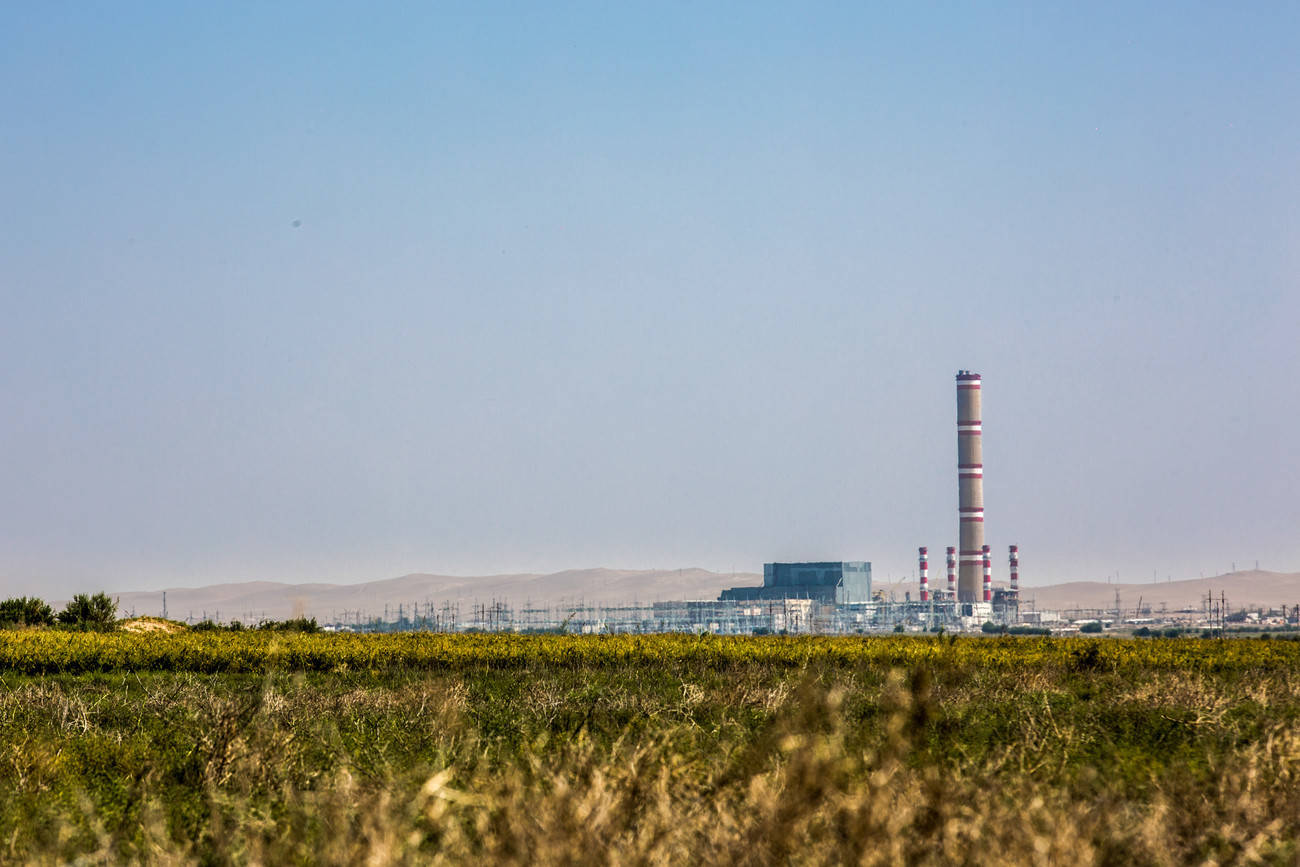
To boost energy security and promote regional energy cooperation, the Asian Development Bank in partnership with the CAREC Program, supported the Talimarjan Power Project. Financed with $350 million in ADB loans, the project involved the construction of two combined cycle gas turbine units at the Talimarjan Thermal Power Plant between 2010 and 2019. Besides, it assisted in enhancing the management and performance of the national electricity company, UzbekEnergo, and a community service center was created for local development assistance.
The power generation and supply system in Uzbekistan was transformed by the project.
With the introduction of new units, 900 megawatts of dependable generation capacity were added to the national grid, thereby assisting in the fulfillment of increasing demand with cleaner and more efficient technology. By 2017, the plant was generating 6.8 terawatt-hours of energy annually, which was far exceeding the target set. The efficiency of thermal power generation was raised from 31% in 2009 to 55% in 2015, which drastically cut down the fuel requirement and by doing that, the power sector performance was enhanced.
The benefits reached far beyond the power plant.
Stronger energy infrastructure improved the reliability of electricity supply and reinforced regional connectivity. Power transmission capacity between northern and southern Uzbekistan increased from 1,600 megawatts in 2009 to 2,200 megawatts in 2014, helping strengthen the national grid and support regional energy exchanges. At the same time, cleaner generation contributed to a reduction of 1.2 million metric tons of carbon dioxide equivalent emissions compared with the 2009 baseline.
The project also delivered tangible economic and social benefits. Net domestic electricity supply reached 49.26 terawatt-hours in 2018, exceeding project targets, while electricity sales grew from 40 terawatt-hours in 2009 to 57.3 terawatt-hours in 2015. More efficient power generation helps lower overall energy costs, benefiting businesses and households alike.