Almaty-Bishkek Economic Corridor: Improving Lives in Border Areas
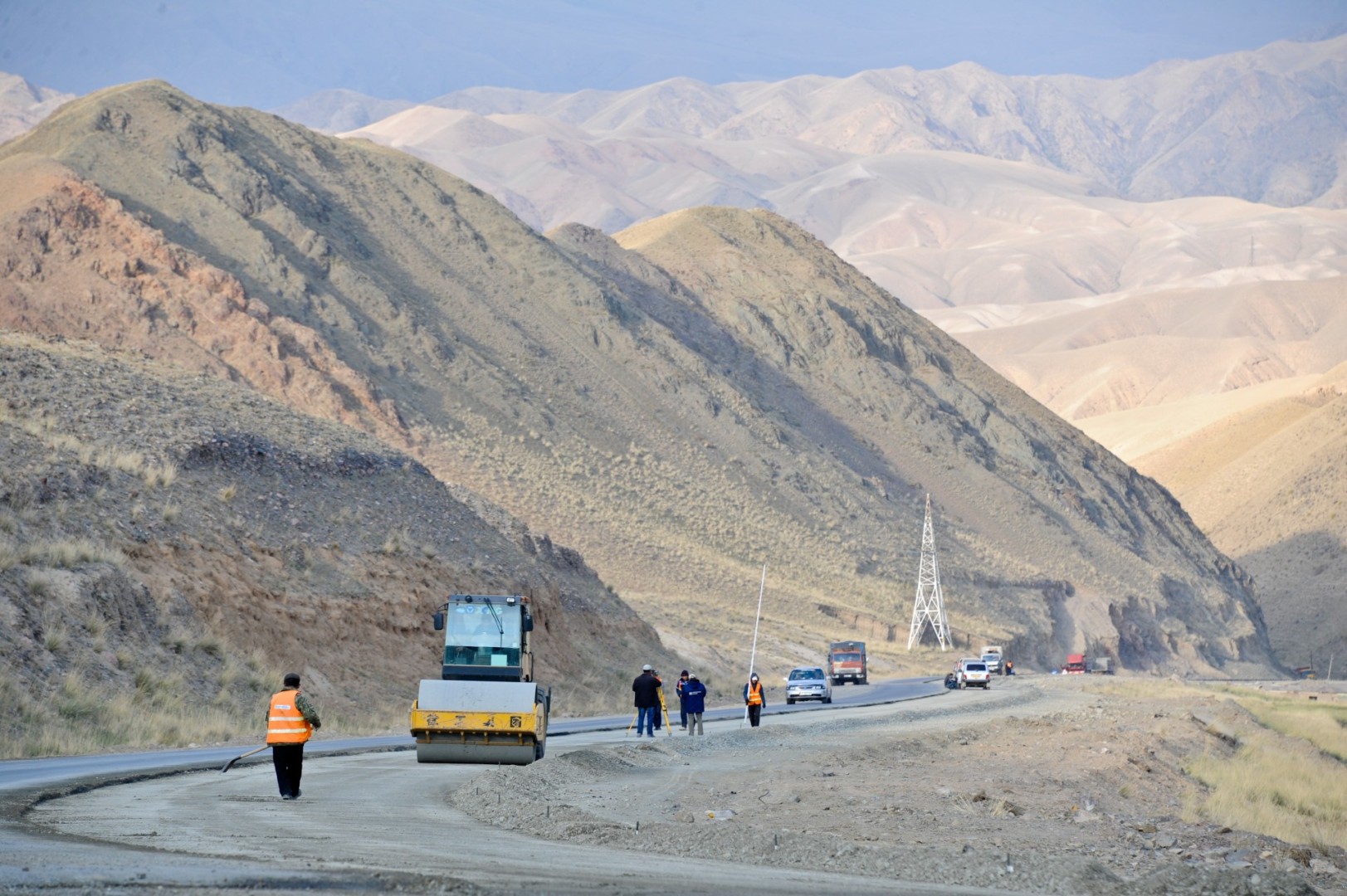
CAREC economic corridors expand access to markets, services, and jobs, making it easier to trade goods and services across borders so that neighboring cities and regions function as a single market. The Almaty–Bishkek Economic Corridor (ABEC) is where CAREC first put this into practice, launched in 2014 by Kazakhstan and the Kyrgyz Republic with ADB support, and after more than a decade, with a track record to show for it.
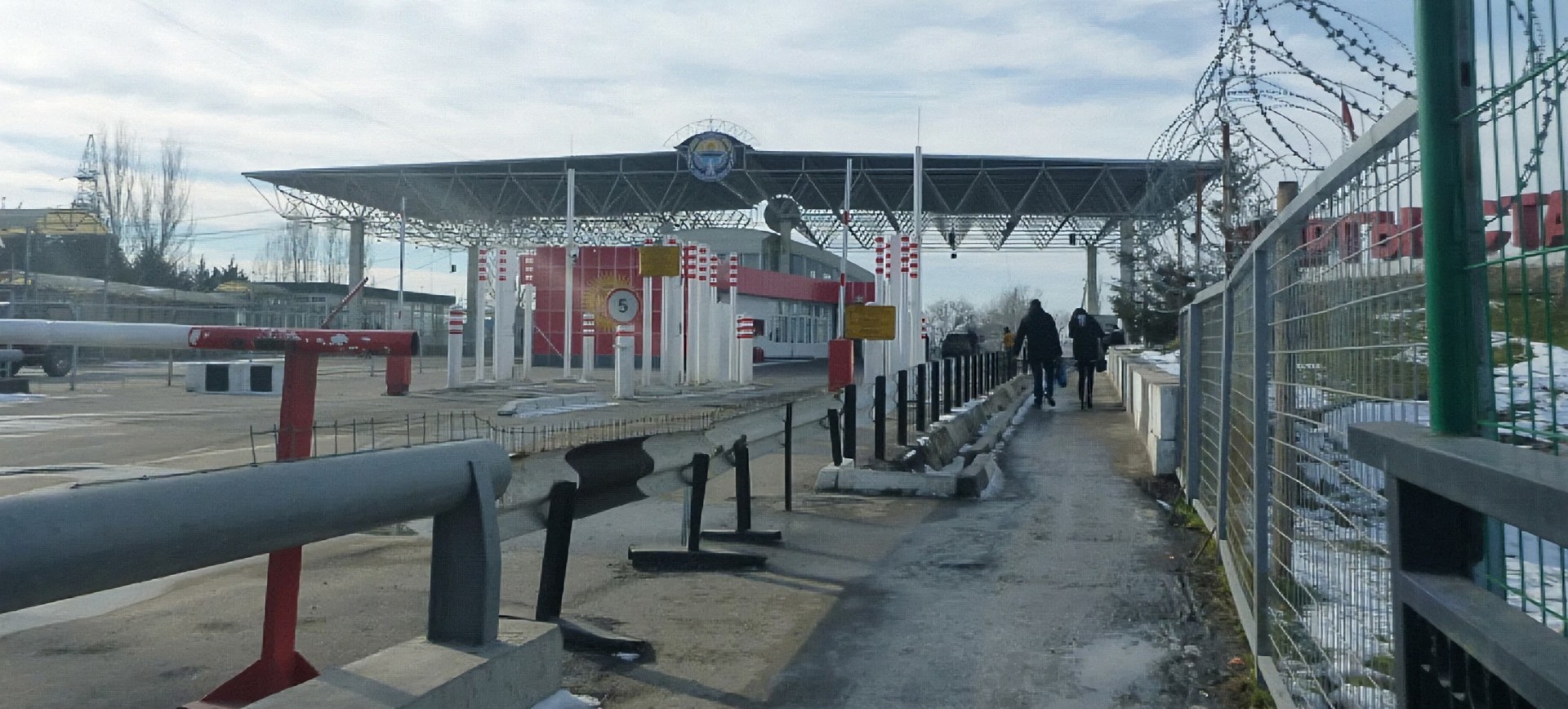
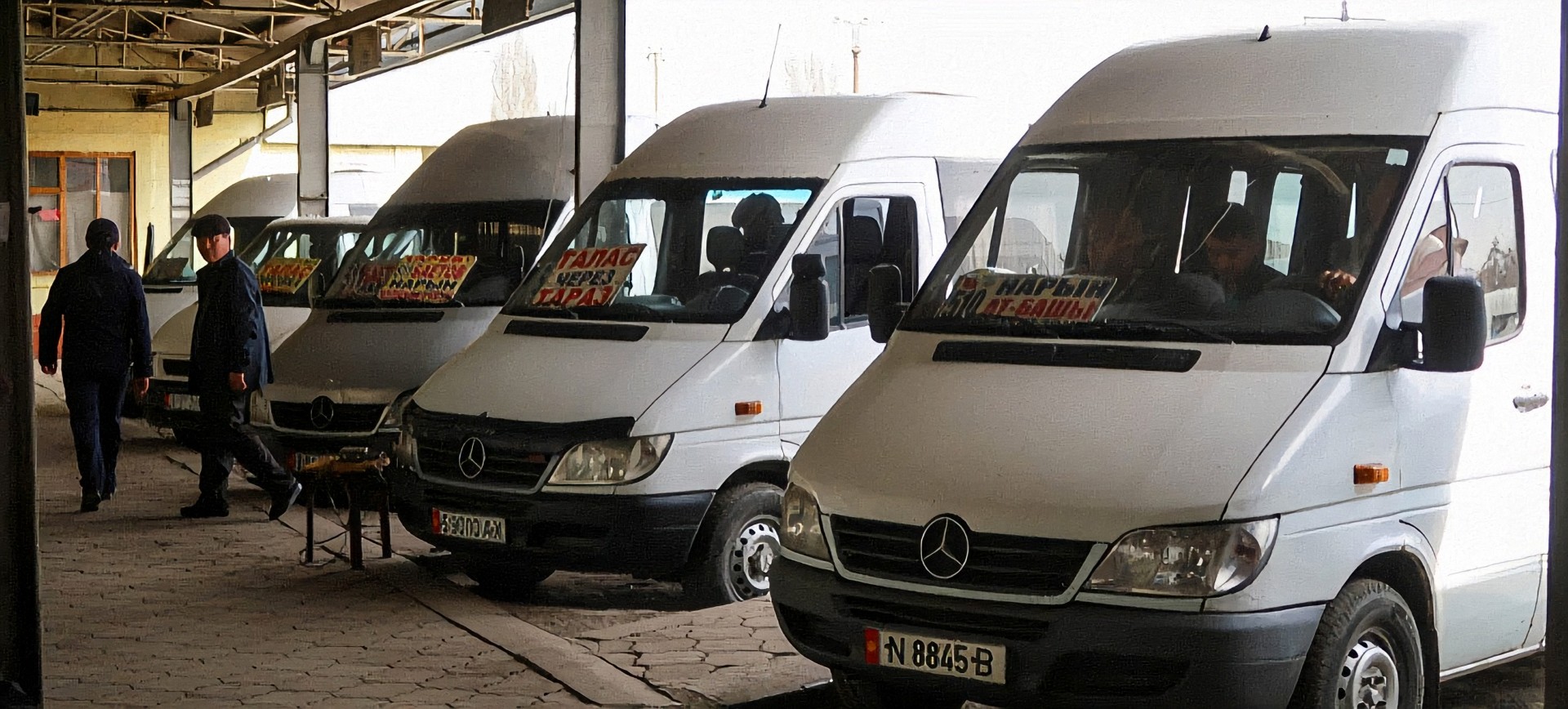
Crossing the border. The clearest bottleneck in the ABEC region is the border itself. ADB’s 2024 connectivity study found the main crossings operating at or beyond their designed capacity, with queues to match. Under the ABEC Regional Improvement of Border Services Project, three crossings on the Kyrgyz side are being rebuilt with $30.7 million in ADB financing approved in September 2025, while Kazakhstan is upgrading its side with national budget funding so travelers can benefit from shorter waits and modern procedures. The 2026 ABEC Border Crossing Point Masterplan maps what comes next, and two public–private projects are in preparation: an electric bus service between Almaty and Bishkek and a more direct road to Issyk-Kul.
CAREC economic corridors expand access to markets, services, and jobs, making it easier to trade goods and services across borders so that neighboring cities and regions function as a single market. The Almaty–Bishkek Economic Corridor (ABEC) is where CAREC first put this into practice, launched in 2014 by Kazakhstan and the Kyrgyz Republic with ADB support, and after more than a decade, with a track record to show for it.
Crossing the border. The clearest bottleneck in the ABEC region is the border itself. ADB’s 2024 connectivity study found the main crossings operating at or beyond their designed capacity, with queues to match. Under the ABEC Regional Improvement of Border Services Project, three crossings on the Kyrgyz side are being rebuilt with $30.7 million in ADB financing approved in September 2025, while Kazakhstan is upgrading its side with national budget funding so travelers can benefit from shorter waits and modern procedures. The 2026 ABEC Border Crossing Point Masterplan maps what comes next, and two public–private projects are in preparation: an electric bus service between Almaty and Bishkek and a more direct road to Issyk-Kul.
Tourism and agribusiness. Physical connections pay off only if businesses can use them. ABEC’s Tourism Master Plan is being updated to promote year-round destinations, professional standards for tourism workers are being strengthened, and a joint accommodation classification system agreed by both countries moves toward implementation in 2026. The Issyk-Kul Lake Environmental Management and Sustainable Tourism Development Project protects the asset on which all of this depends. On the agricultural side, the Climate-Resilient Agricultural Value Chain Development Project is underway, and an ABEC Trade and Logistics Center is being conceptualized to aggregate produce that individual farms cannot move at scale.
Clean air and climate change. Both cities sit in mountain valleys where winter inversions trap emissions from coal heating and traffic, and pollution during the heating season regularly exceeds healthy levels. The ABEC Clean Air Initiative closed the evidence gap: more than 100 low-cost sensors across Almaty and Bishkek provide residents and city authorities with a reliable baseline for the first time. That data informed the Bishkek Energy Efficiency and Clean Heating Project, which directly addresses the largest source. The Chu and Talas rivers cross the border and supply both sides, and climate change is making flows less predictable. The ABEC Sustainable Transboundary River Enhancement and Adaptation Management (STREAM) initiative aims to facilitate climate-adjusted management of the cross-border water resources.
Health. Costly medical and pharmaceutical testing laboratories do not need to be duplicated on both sides of the border if a single facility can serve both markets. ABEC’s pre-feasibility work on medical and pharmaceutical testing helped build the case for the Kyrgyz Republic’s Strengthening Regional Health Security Project, a $30 million ADB operation to modernize reference laboratories.
Together, these form a single economic space from two national markets. Explore the corridor’s work on connectivity, tourism, agribusiness, air quality, and health at almaty-bishkek.org.