Connecting Regions, Expanding Opportunities in Kazakhstan
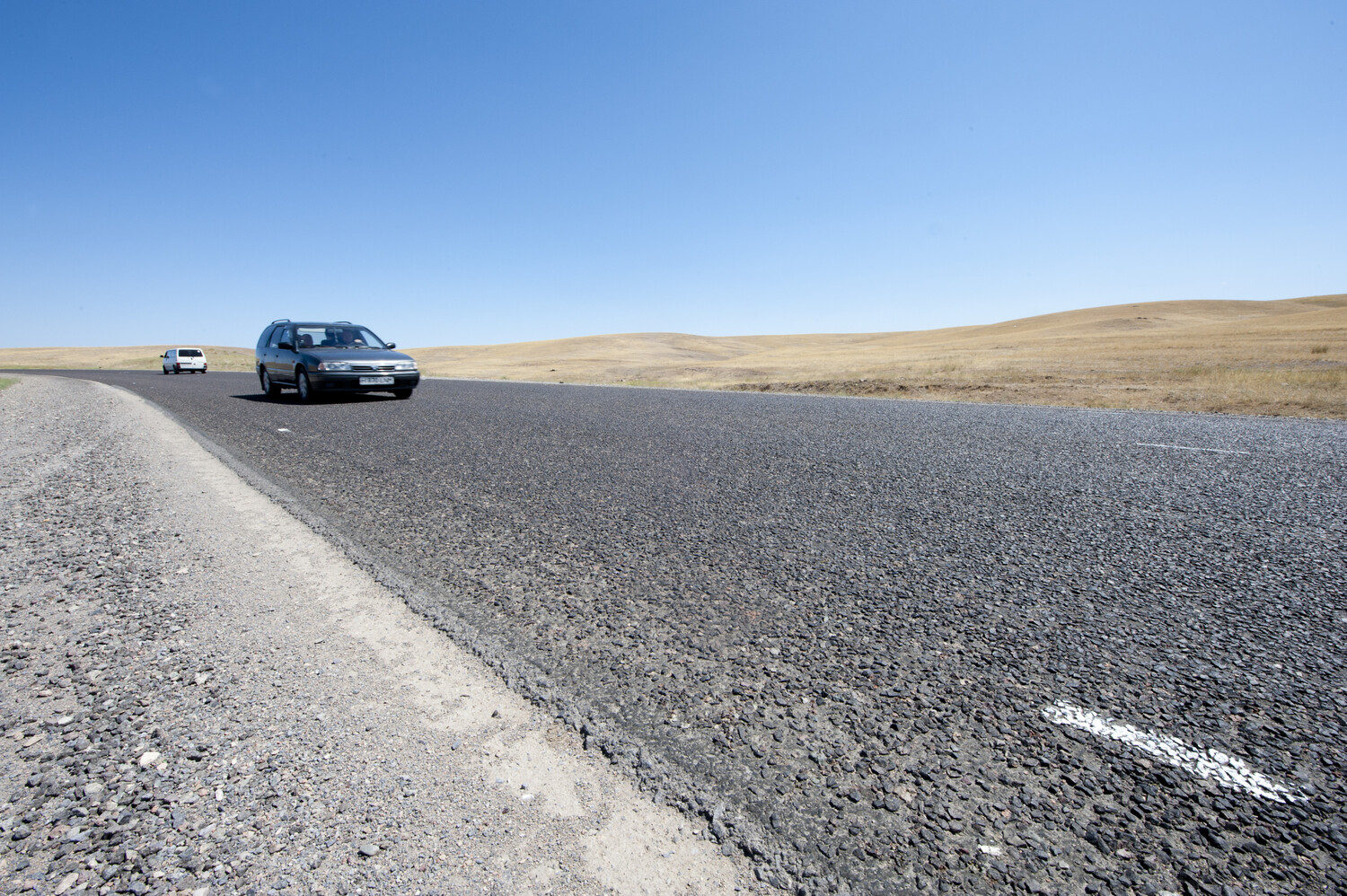
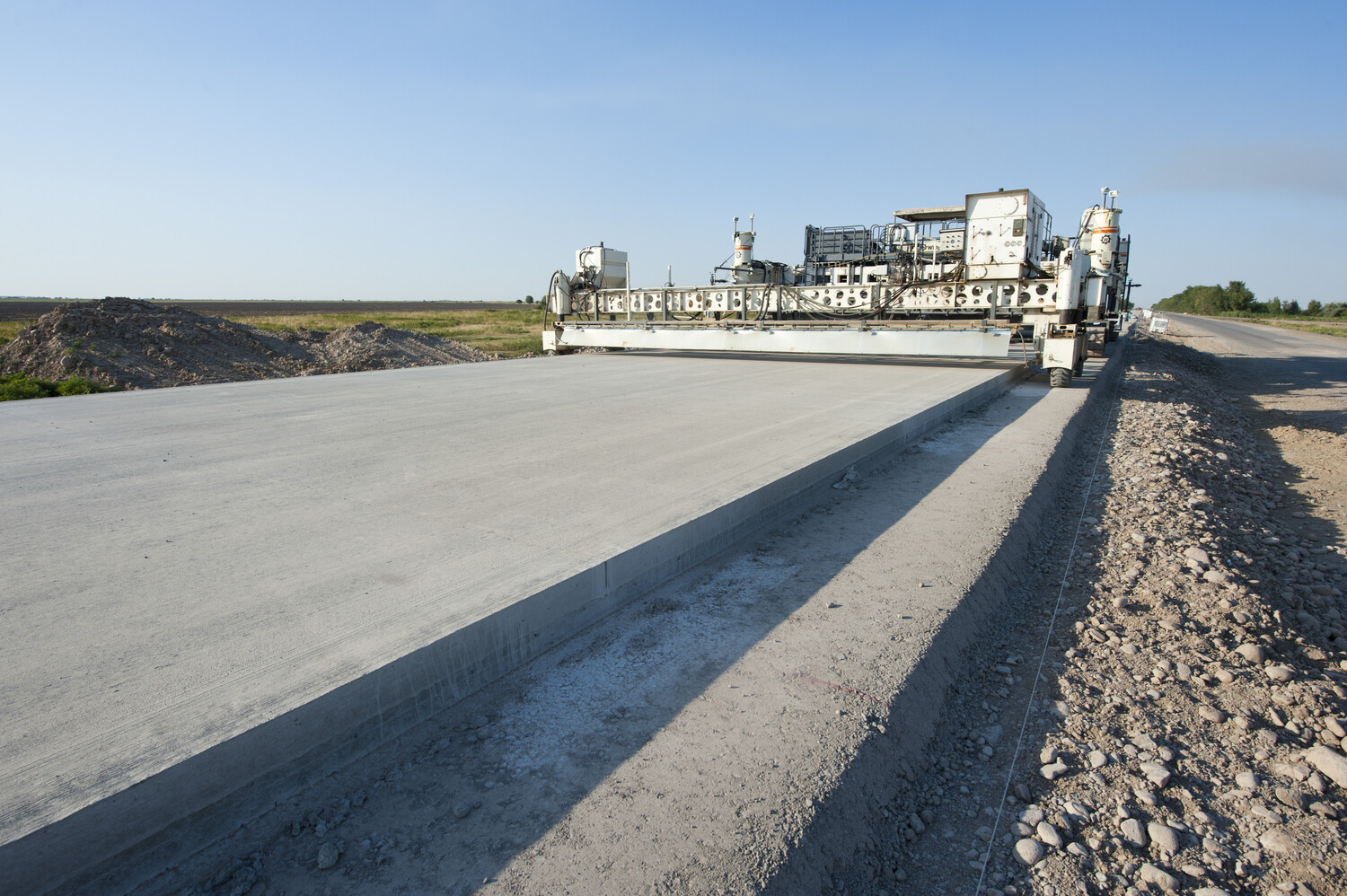
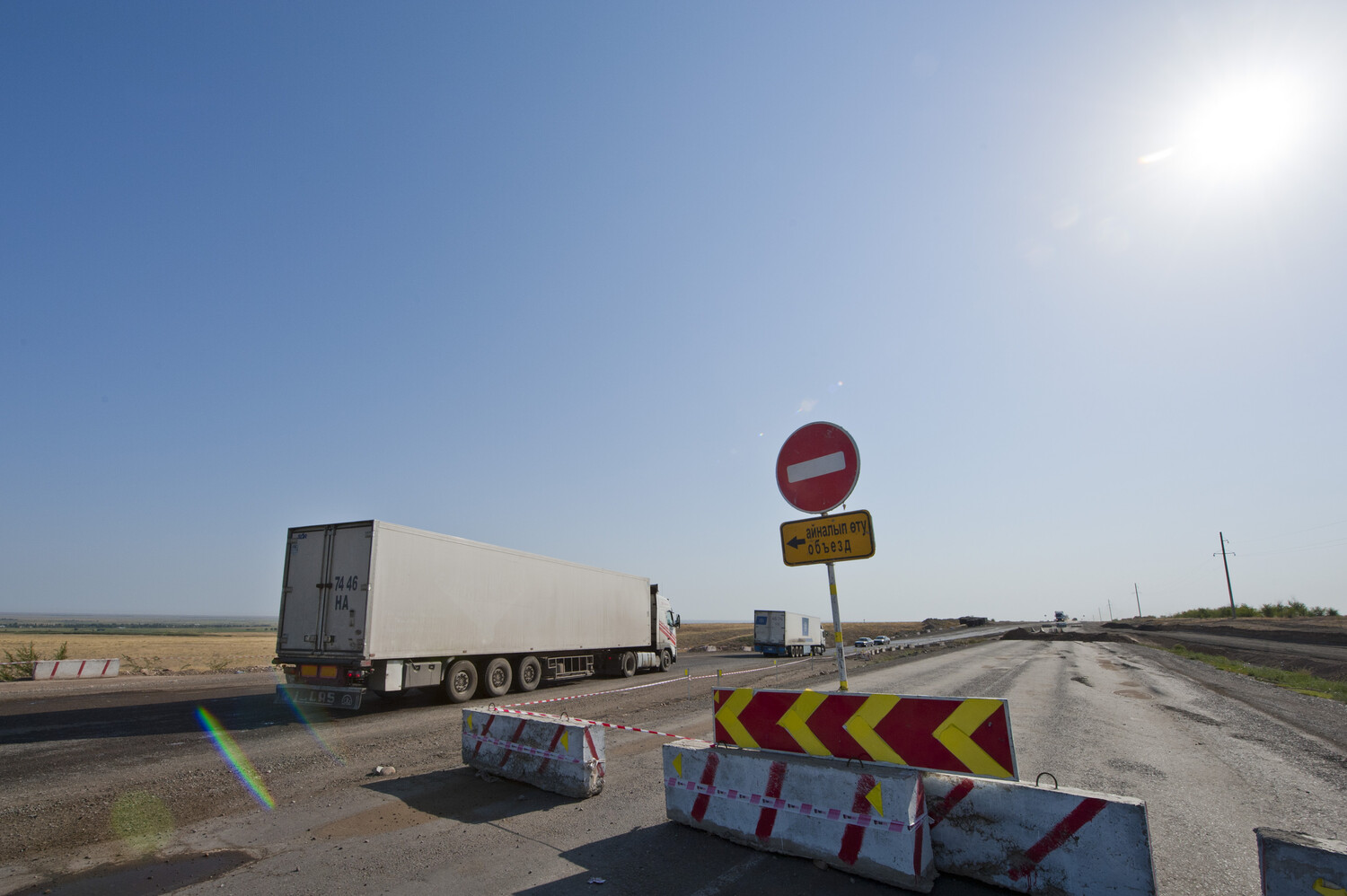
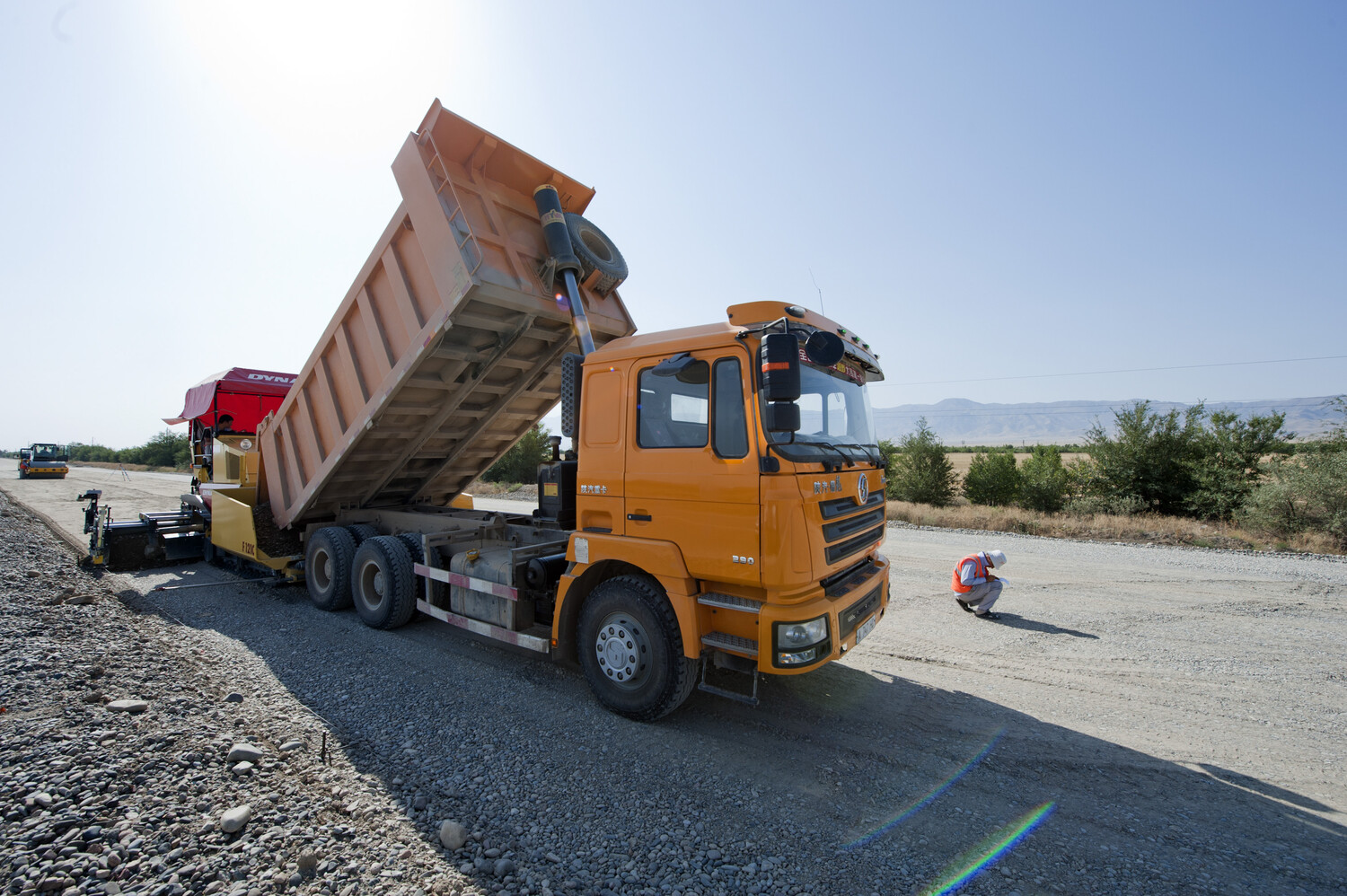
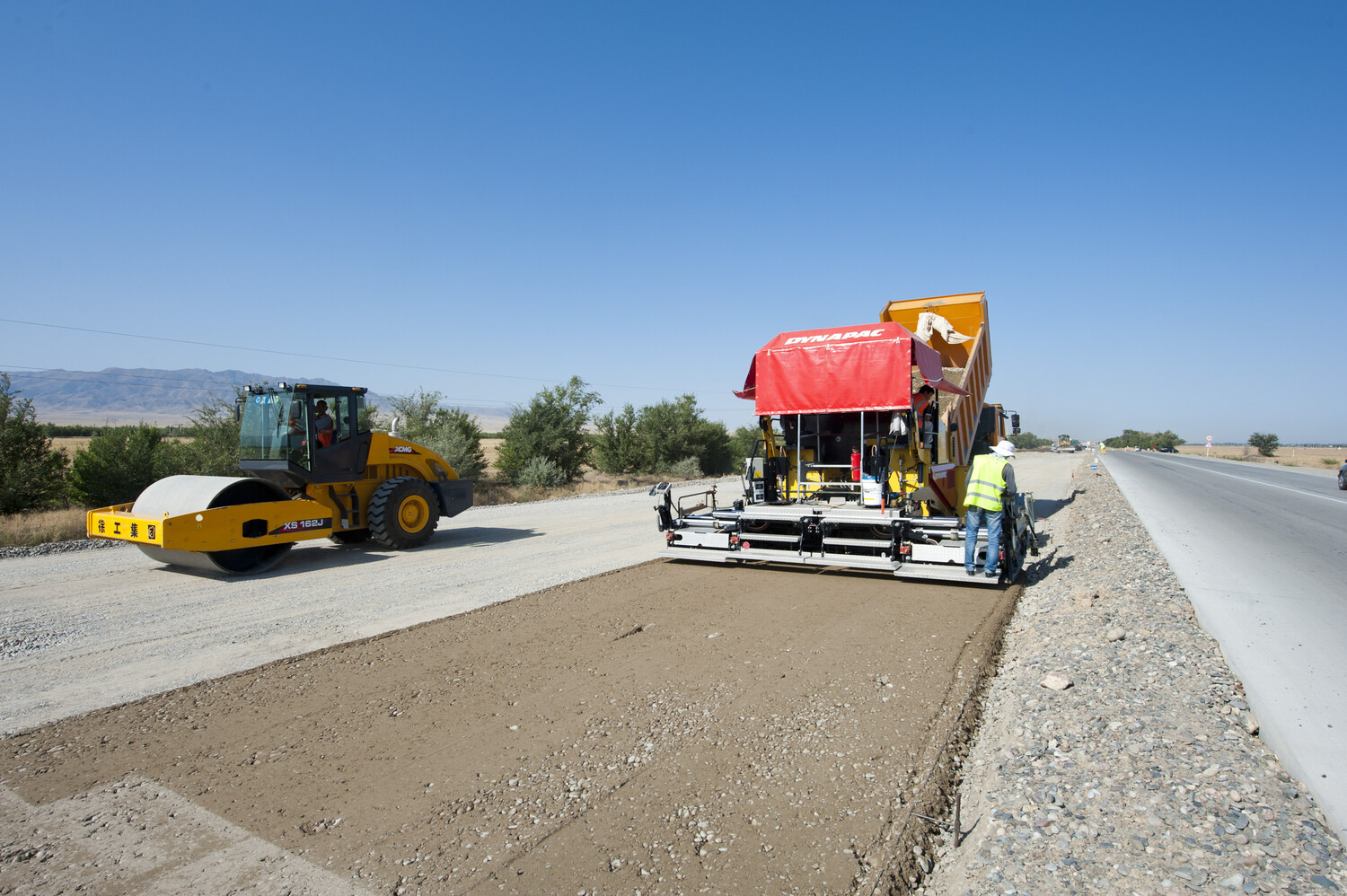
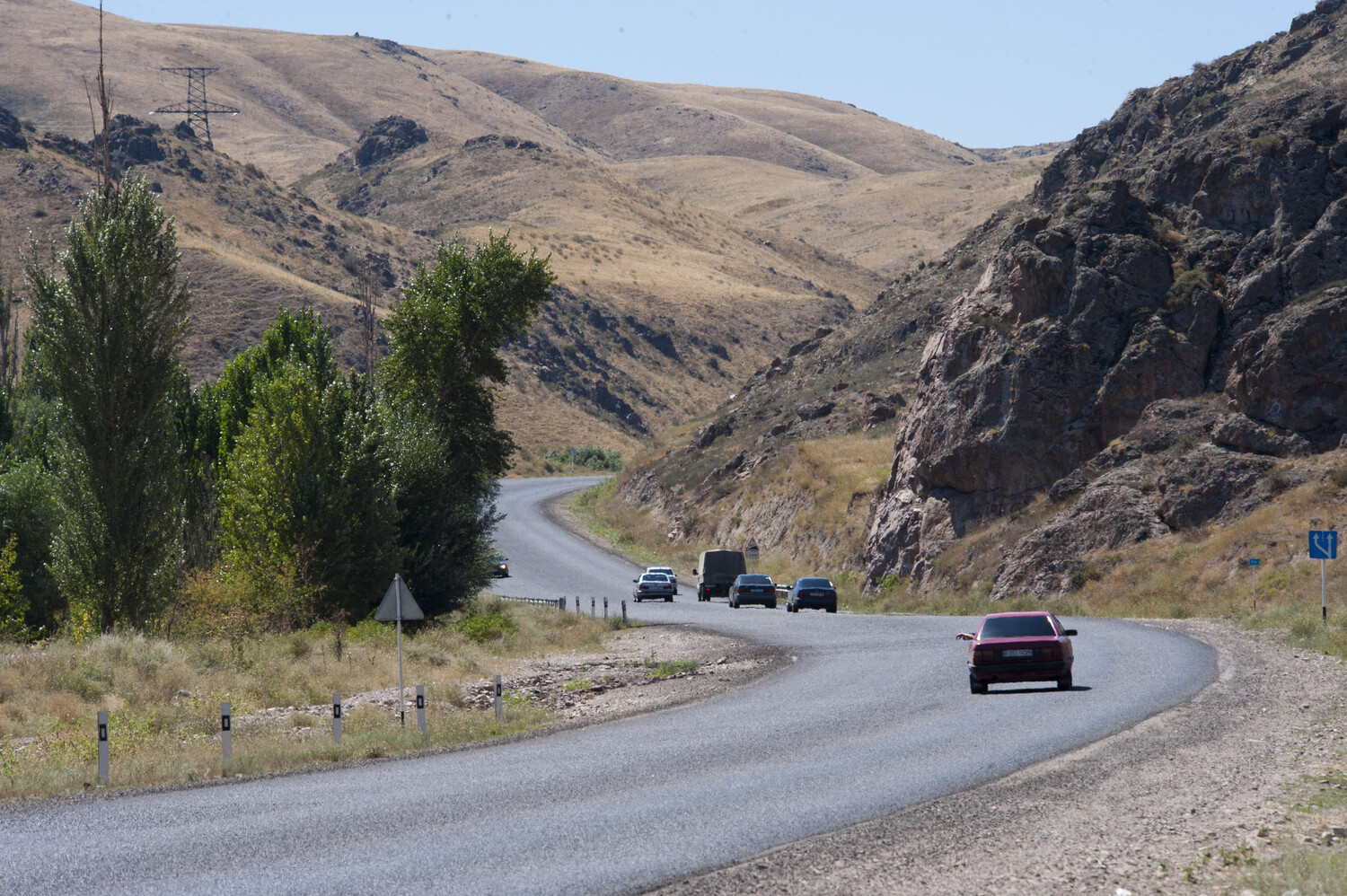
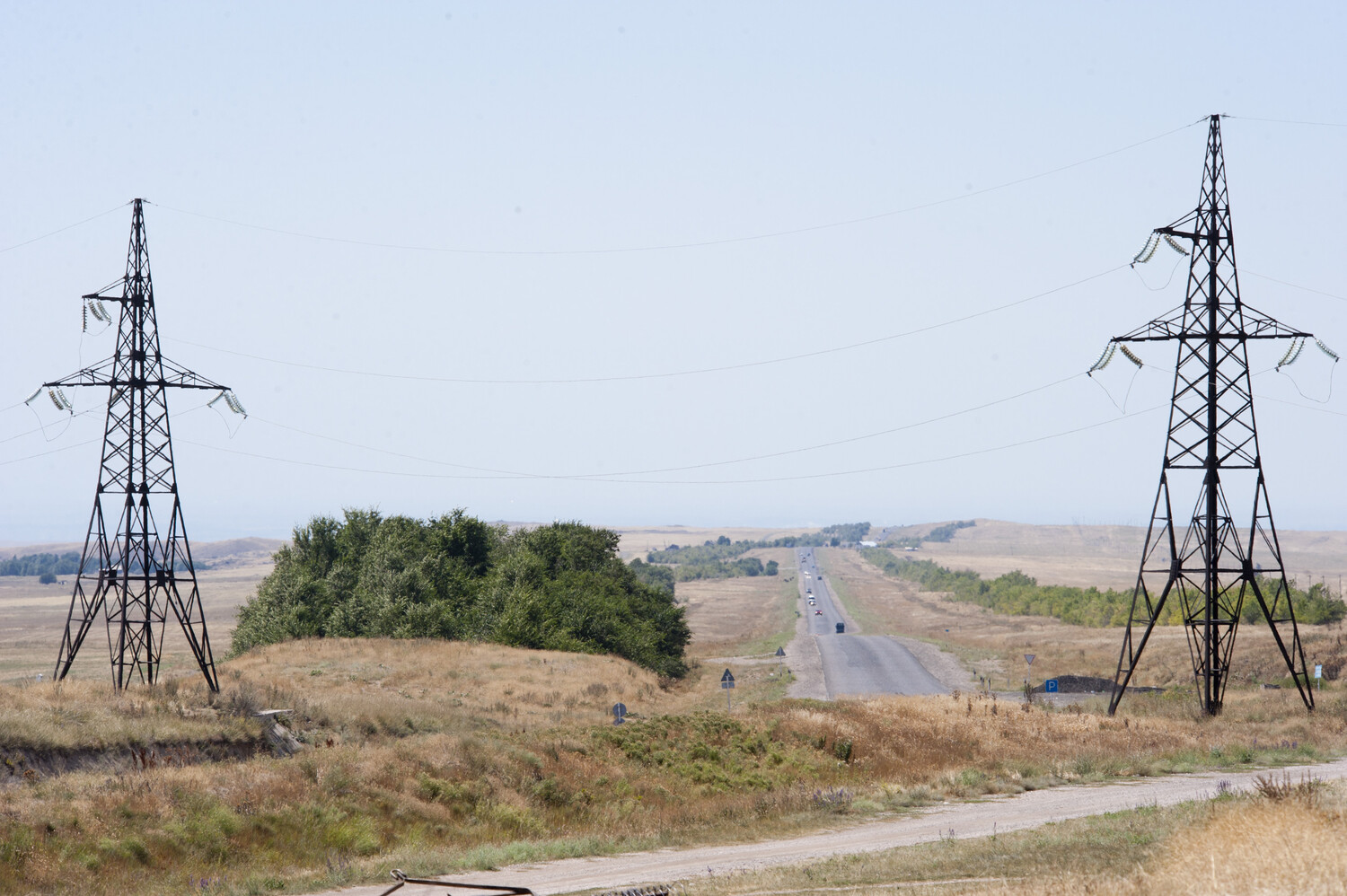
In Kazakhstan, where vast distances separate communities and economic centers, roads play a vital role in connecting people to jobs, markets, and essential services. The South-West Road Project helped transform this vision into reality by modernizing key sections of the Western Europe–Western China International Transit Corridor, one of the region’s most important trade routes.
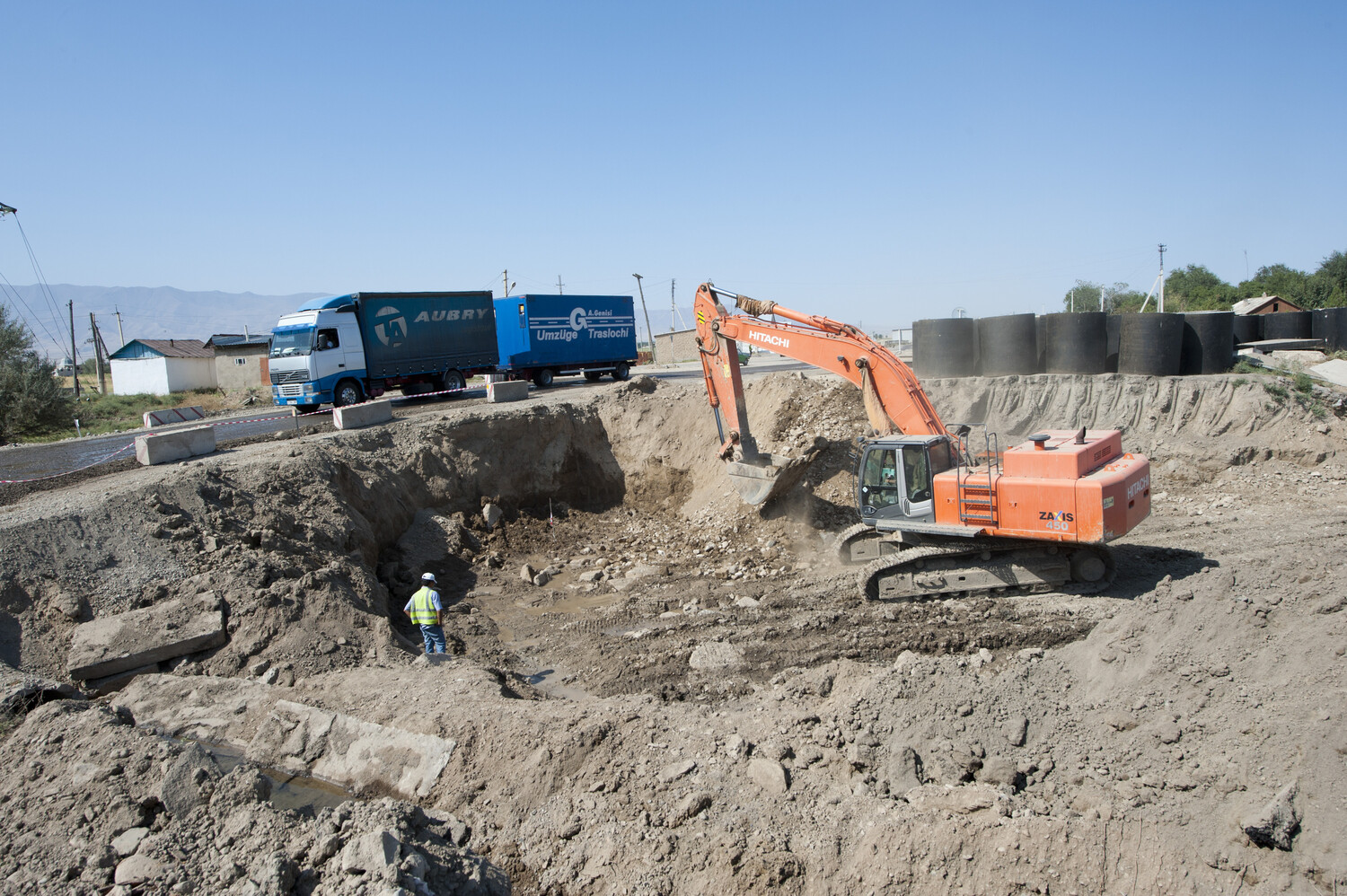
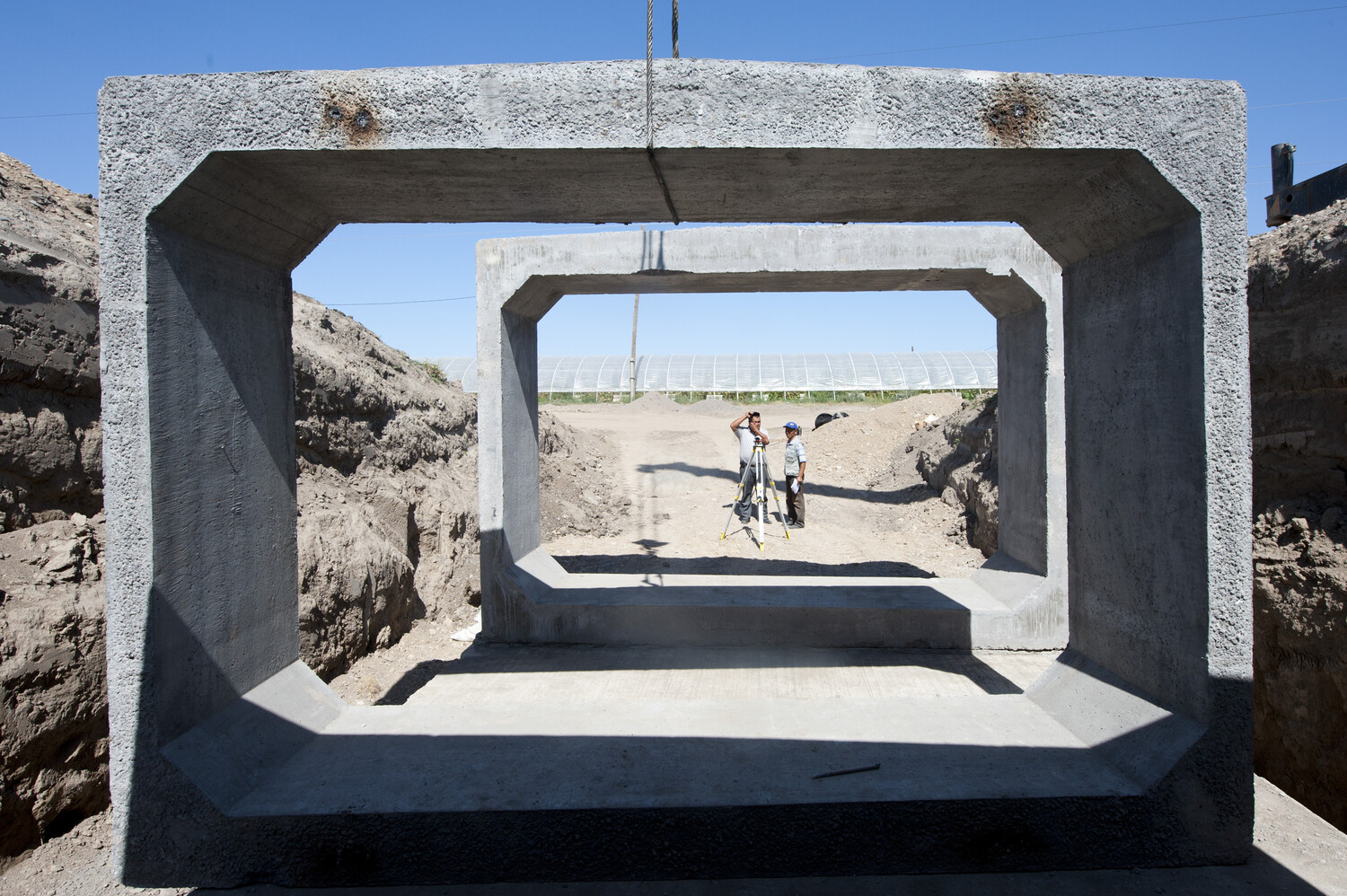
With total project funding of $2.875 billion, the project upgraded and reconstructed strategic road sections across Kyzylorda and South Kazakhstan oblasts. The project covered about 788.5 kilometers of road sections in Kyzylorda oblast and 273.4 kilometers in South Kazakhstan oblast. With additional investments, nearly 2,000 kilometers of transport corridors were modernized, strengthening links among communities, economic centers, and international markets.
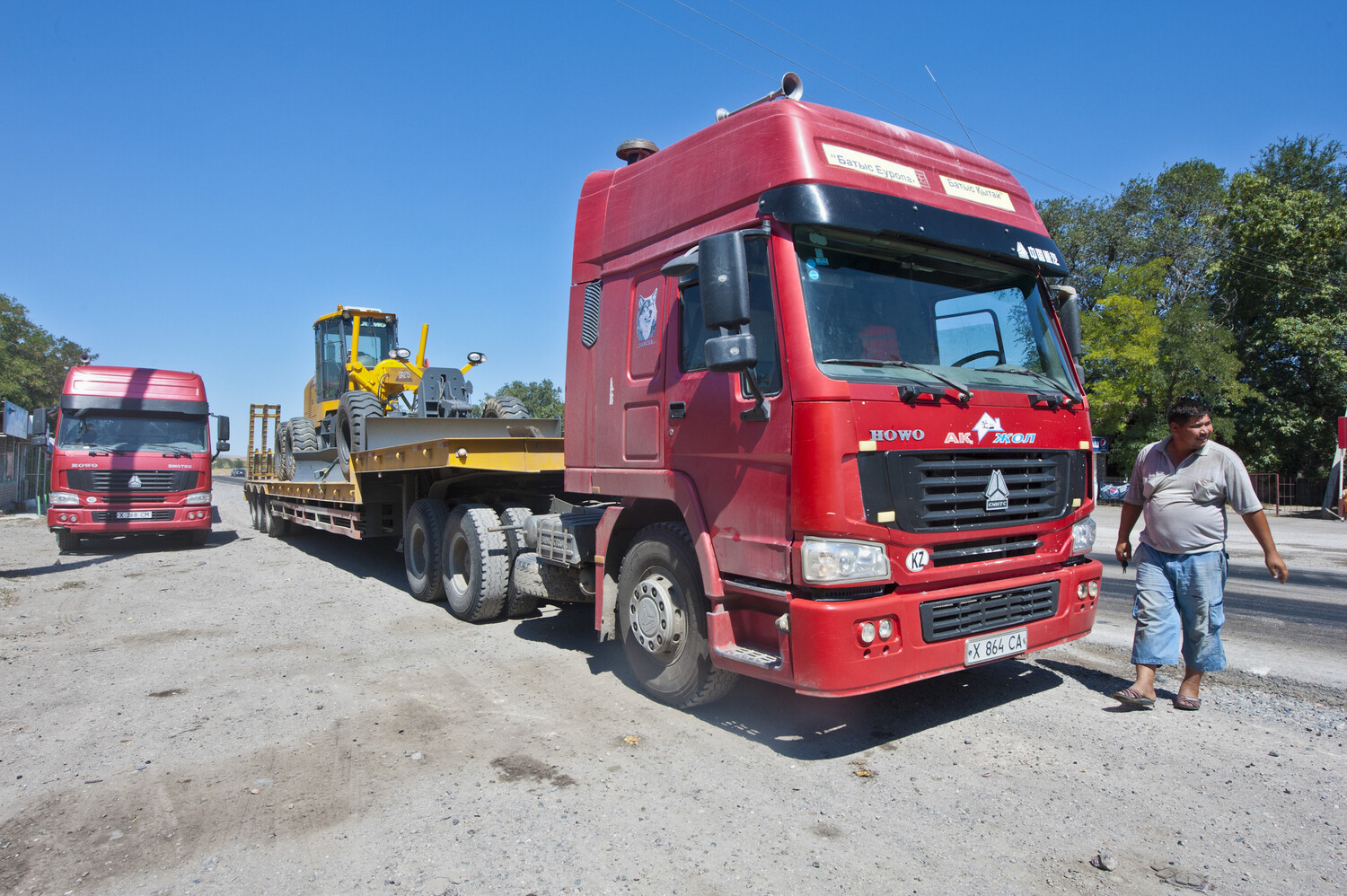
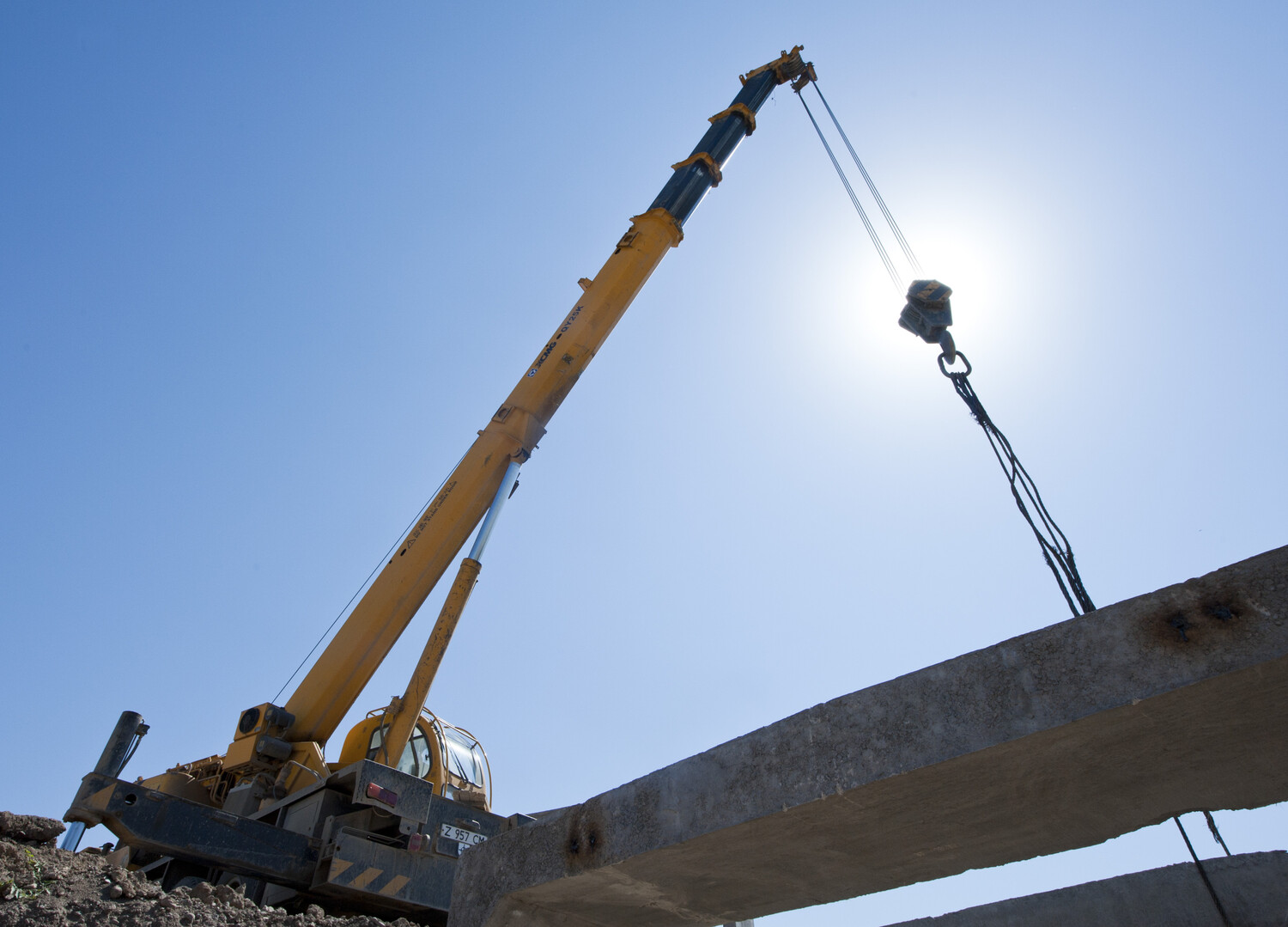
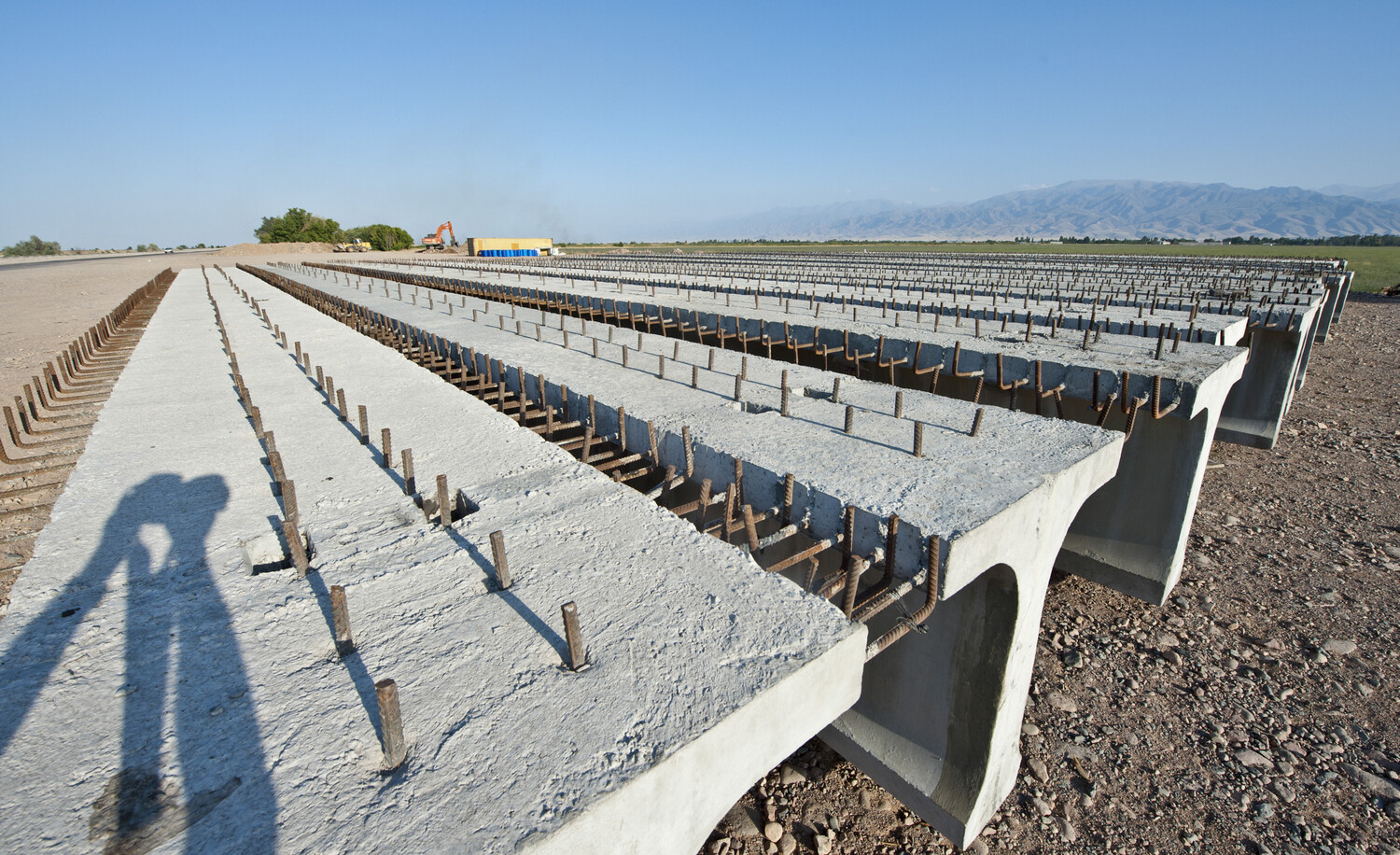
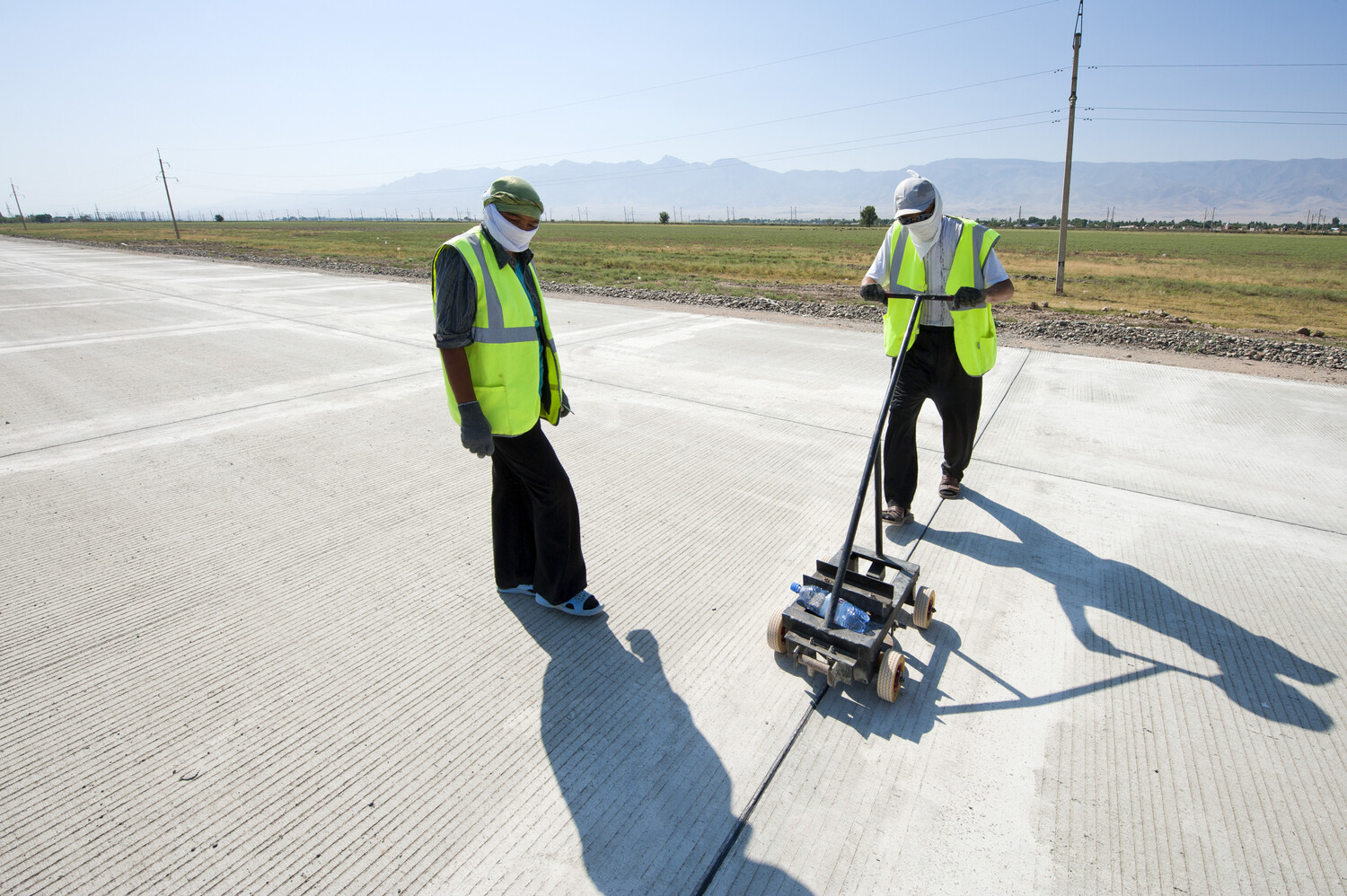
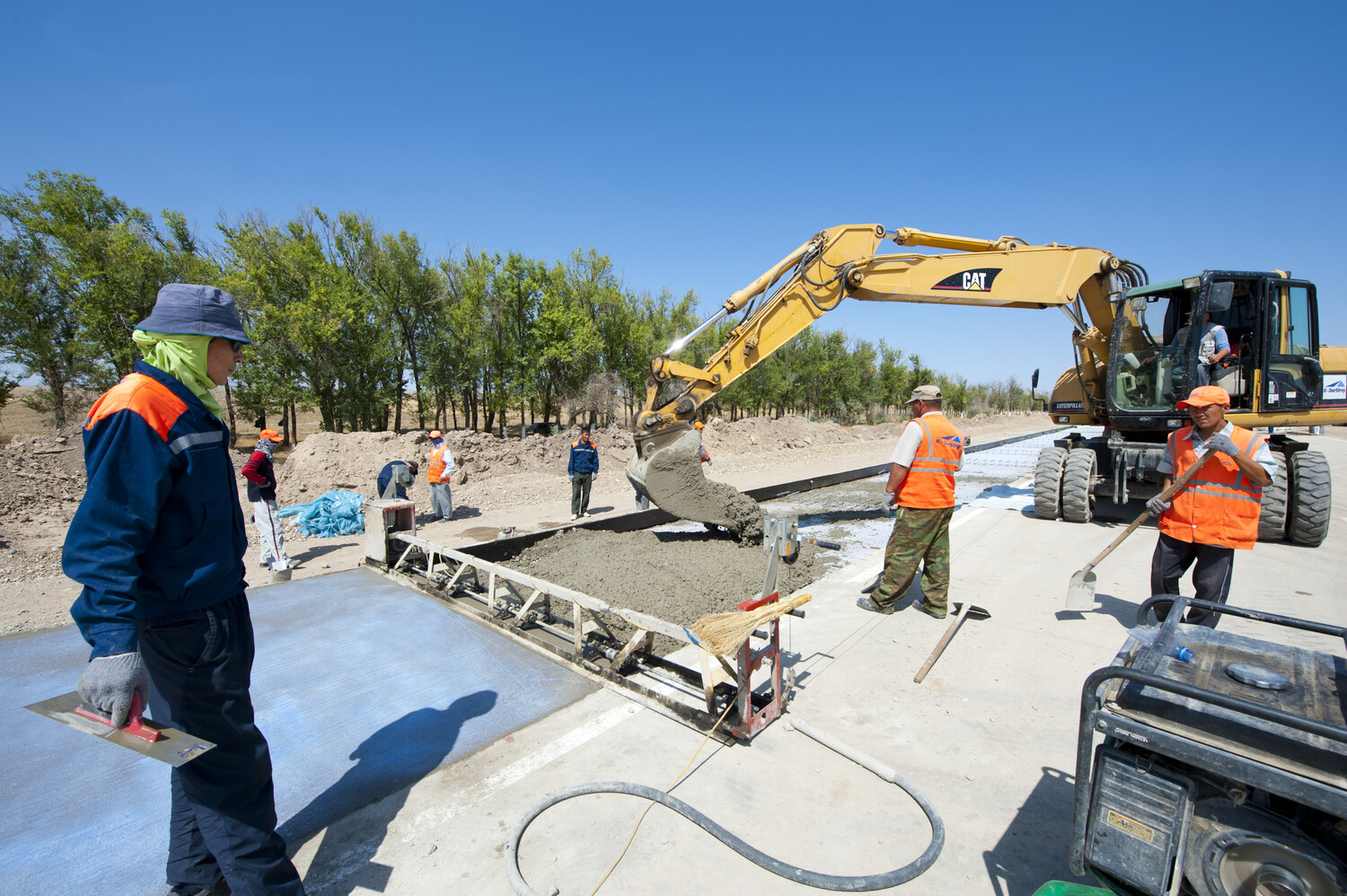
In addition, the project created jobs during construction and helped stimulate economic activity in the towns along the corridor. Beyond infrastructure, the project supported the development of safer roads and stronger institutions. Through investments, many improvements like traffic safety, road asset management, and sector reforms were accomplished. These not only helped Kazakhstan’s transport system but also made national road agencies better capable of managing road network maintenance. Due to the reforms, the benefits of the investments will be felt long after the physical results are seen.
At present, the corridor serves a vital function as a link between Europe and Asia, enhancing trade, the movement of people and goods, and development in the region. What started as a substantial infrastructure initiative has now become an economic driver and a means of unifying various parts of the country, offering opportunities to thousands of people in Kazakhstan.
Aside from making it easier for people and goods to move, the South-West Roads Project also helped make the country more integrated, competitive, and prosperous.